19th Century Doorbell: Vintage Charm & History
The 19th century doorbell represents a fascinating intersection of domestic comfort and industrial innovation. Before the widespread adoption of these devices, announcing one's presence required a sharp rap on the front door with a knuckle or the use of a long staff to mechanically strike a bell located outside. The interior doorbell, particularly in urban homes, signaled a new era where convenience and the ability to summon help or greet guests without physical interruption became a mark of modern household management.
The Mechanism Behind the Melody
Early 19th century doorbell mechanisms were relatively simple, relying on the physical prowess of the visitor. A cord connected to a pull block outside was the most common solution, but the advent of the internal bell apparatus changed the game. These devices utilized a system of wires and pulleys to connect a pull cord inside the home to a clapper that struck a suspended bell. The invention of the electric doorbell by Joseph Henry in 1831, while not immediately popular in residences, provided the technological foundation that would eventually make the familiar chime a standard feature of middle-class life.
Design and Aesthetic Integration
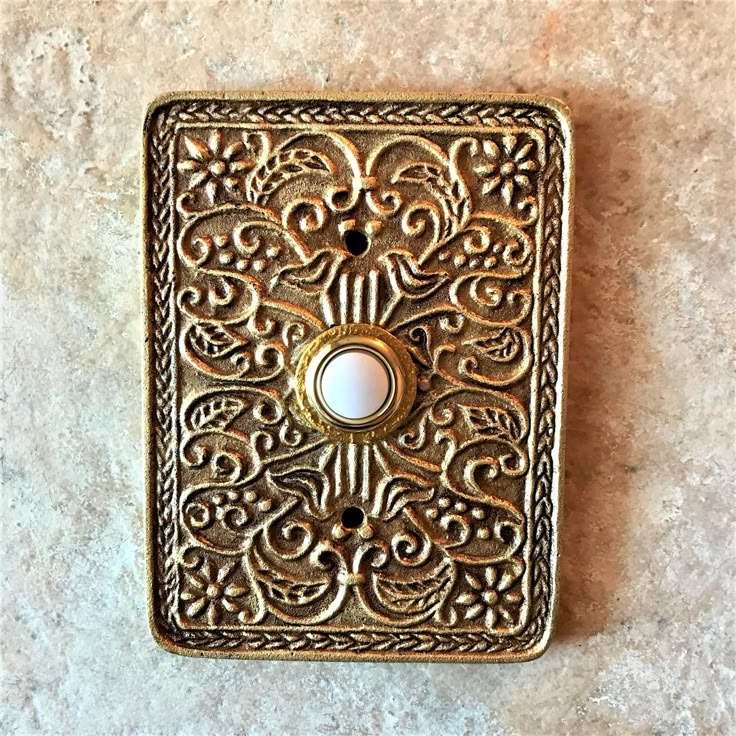
Unlike the purely functional pulls of the early 1800s, mid to late 19th century door hardware became an exercise in decorative expression. Manufacturers produced a wide array of designs, from neoclassical motifs featuring Greek key patterns to the intricate scrollwork of the Victorian era. The button or handle pull was often crafted from brass, bronze, or porcelain, serving as a small piece of jewelry for the home. The accompanying bell units were housed in elegant wooden or metal cases that were designed to complement the interior decor, turning a utilitarian device into a statement of taste and prosperity.


Social Implications of the Ring
The introduction of the doorbell subtly altered the social dynamics of visiting and receiving. It established a clear boundary between the private sphere of the home and the public realm of the street, allowing the inhabitant to control the flow of interaction. For servants in larger households, the bell was a crucial tool, enabling them to alert their masters to their presence without needing to knock loudly or verbally announce themselves. This shift reinforced notions of privacy and domestic hierarchy, making the ring of the bell a symbol of a well-ordered and technologically advanced household.
Regional Variations and Rural Adoption
While the 19th century doorbell was a common sight in cities like New York, London, and Paris by the 1880s, rural areas experienced a much slower adoption rate. The necessity of running wires through rural landscapes made installation costly and impractical for many farmers. Furthermore, the traditional knock remained the preferred method in communities where neighborly visits were frequent and informal. The technology eventually diffused to the countryside, but the cultural shift was delayed, highlighting the gap between urban sophistication and rural tradition during this period.


Collecting Historical Hardware
Today, original 19th century doorbells are highly sought after by collectors of antique house hardware and Victorian-era artifacts. Enthusiasts seek out examples of the heavy cast-iron pulls and the distinctive glass-bell designs that are difficult to replicate. Restoring these devices requires a careful hand, as the mechanisms are often fragile after a century of use. Modern reproduction manufacturers study these antique pieces to capture the weight, sound, and visual authenticity that homeowners desire when aiming to preserve the historical integrity of their properties.
Legacy and Modern Echoes
The design language established in the 19th century continues to influence modern door hardware. Contemporary pull handles and push plates often draw direct inspiration from the scrolls and geometric shapes popular during the Victorian and Edwardian eras. While the technology has advanced to include wireless systems and digital chimes, the fundamental concept—a device that grants control over the home entrance—remains a direct legacy of that transformative century. The next time a door chimes, it is a quiet echo of the industrial ingenuity that brought the ring of the bell inside the home.




Related Articles

Woodland Farms Vintage: Discover Authentic Charm & Sustainable Living
Step onto the grounds of Woodland Farms Vintage, and you immediately sense the weight of history beneath your feet. This is not merely a collection of old...

Stunning Chain Gang Jewelry Pictures: Bold Vintage Charm & Latest Designs
Chain gang jewelry pictures often evoke a specific aesthetic rooted in historical rebellion and modern subversion. This visual style moves beyond conventional...

Vintage Toyota Supra Pictures: The Ultimate Visual History
Pictures of old Toyota Supra evoke a powerful sense of nostalgia and engineering prowess, capturing the essence of a legend in its prime. The Toyota Supra...

Vintage Charm: Printable Coloring Pages for Old Cars
The search for printable color old car templates opens a direct portal to a cherished era of design and engineering. These digital files capture the soul of...

1960s Style Women's Coats: Vintage Charm & Modern Trends
The 1960s marked a seismic shift in fashion, moving away from the restrictive silhouettes of the previous decade toward a future-forward aesthetic defined by...

Handcrafted Wooden Steamboat Model: Vintage Charm & Maritime Elegance
The wooden steamboat model occupies a unique space in the world of historical artifacts and artistic craftsmanship. Unlike static displays, these miniature...