African Mask Coloring Pages: Free Printable Tribal Designs for Kids
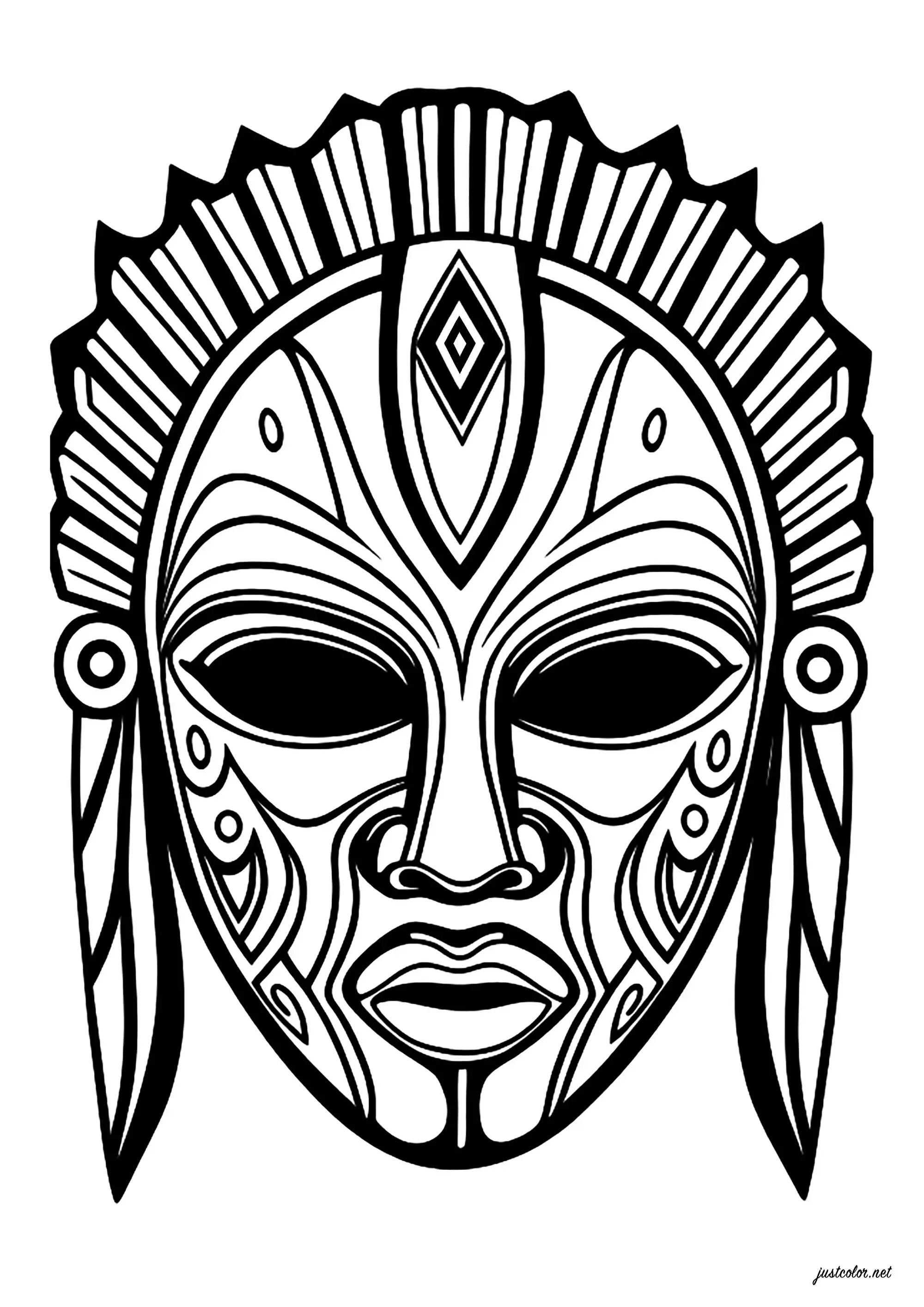
African mask coloring pages offer a vibrant gateway into the rich artistic heritage of the continent, allowing both children and adults to engage with complex cultural symbols through a simple, creative act. These pages transform intricate traditional designs into accessible templates, inviting users to explore the bold geometric patterns, symbolic imagery, and spiritual narratives that have defined African art for centuries.
Unlike generic coloring book illustrations, these designs draw inspiration from the vast diversity of the continent’s ethnic groups, each with its own unique aesthetic language. From the elongated features of the Dan masks to the concave profiles of the Punu, or the stylized animal motifs of the Chokwe, the pages present a curated selection of forms that are instantly recognizable and visually striking. This authenticity provides an educational foundation disguised as entertainment, making the learning process feel organic rather than academic.
The Cultural Significance Behind the Patterns
Understanding the context of these masks elevates the activity from mere pastime to a meaningful exploration of history. In traditional African societies, masks are not merely decorative objects; they are potent spiritual conduits. They are worn during ceremonies to embody ancestors, communicate with the spirit world, or mark significant life events such as initiation, harvest, or reconciliation.


Symbolism in Design
The shapes and lines used in these coloring pages are rarely arbitrary. A triangle might represent a scarification mark denoting wisdom, while a series of concentric circles could symbolize the journey of life or the cycle of seasons. The use of symmetry often reflects a belief in balance and harmony within the community. By coloring these elements, the user participates in the preservation of this visual vocabulary, interpreting the symbolism through their own choice of palette.
Educational and Therapeutic Applications
For educators, African mask coloring pages serve as a powerful tool for introducing art history and cultural studies in a hands-on way. They provide a tactile connection to geography and anthropology, making distant cultures feel tangible and fostering a sense of global appreciation rather than abstraction. The detailed line work helps develop fine motor skills and hand-eye coordination, while the focus required promotes mindfulness and concentration.


The therapeutic benefits of this activity extend to stress relief and cognitive engagement. The act of focusing on the repetitive patterns and intricate details can induce a meditative state, similar to mindfulness practices. This makes the pages effective for individuals of all ages seeking a digital detox or a method to process emotions through non-verbal expression.
Choosing the Right Page for Your Purpose
When selecting African mask coloring pages, the complexity and style should match the user's intent and age group. Younger children or those new to the activity might prefer pages with larger shapes and bolder outlines, which are easier to fill without worrying about precision. Older children and adults, however, might seek out the challenge of detailed interlocking patterns that require patience and a lighter touch to render effectively.
| Style Complexity | Best For | Example Pattern |
|---|---|---|
| Simple Outlines | Young children, quick projects | Basic circle with linear decorations |
| Moderate Detail | Teens, hobbyists | Geometric shapes, cross-hatching |
| Advanced Intricacy | Adults, experienced artists | Interlocking patterns, fine linework |
Color Theory and Cultural Interpretation
One of the most engaging aspects of coloring these designs is the application of color. While traditional African masks often utilize natural pigments derived from earth, plants, and minerals—ochres for earth and red clay, whites for kaolin, blacks for charcoal—modern coloring pages offer a spectrum of possibility. Users must decide whether to adhere to historical accuracy or to express their own emotional response through vibrant, unconventional hues.


Generally, warm colors like red, orange, and yellow convey energy, spiritual heat, and vitality, while cooler tones like blue and green might represent peace, nature, or the supernatural. The choice of whether to color the background negative space or leave it white is also a critical decision that impacts the overall balance and intensity of the final piece, allowing for personal interpretation within a traditional framework.


Related Articles

Native American Coloring Pages: Free Printable Tribal Designs for Kids
Native American colouring pages offer a unique window into the rich tapestry of Indigenous cultures, providing both artistic expression and educational value...

Cute Bunny Easter Egg Coloring Pages for Kids – Free Printable Designs
Bunny Easter egg coloring pages provide a delightful intersection of seasonal tradition and creative expression. These printable sheets feature charming...

Large Flowers Coloring Pages: Free Printable Designs for Kids
Large flowers coloring pages present a vibrant gateway to artistic expression, offering intricate patterns and expansive spaces that invite both children and...

Mystical Cat Tribal Coloring Pages: Free Printable Designs
Cat tribal coloring pages offer a unique intersection of feline grace and ancient cultural symbolism, presenting a creative outlet that is both meditative and...

African American Baby Coloring Pages: Free Printable Sheets for Kids
African American baby coloring pages offer a vibrant and meaningful way for families to celebrate diversity, heritage, and the unique beauty of Black...

Native American Coloring Sheets: Free Printable Tribal Designs for Kids
Native American colouring sheets provide a unique and enriching activity that connects children and adults with the intricate artistry and cultural heritage of...