Amazon Forest Dragon: Unveiling the Mythical Reptile of the Rainforest
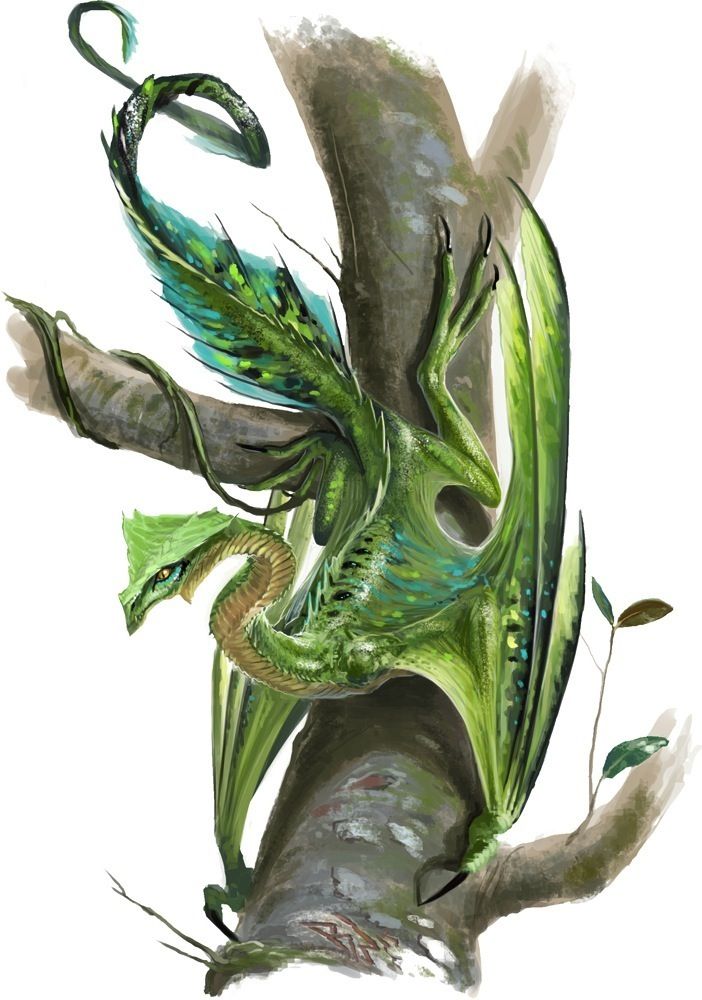
Deep within the humid embrace of the Amazon basin, a creature of myth and moss seems to emerge from the filtered light. The Amazon forest dragon is not a singular beast from a medieval tapestry, but a living paradox, a name applied to a variety of remarkable reptiles that thrive in this complex ecosystem. To encounter this entity is to witness the breathtaking artistry of evolution, where biology blurs the line between the fantastical and the factual. This world belongs to masters of camouflage, gliders, and climbers who have perfected the art of vanishing against the perpetual green.
Defining the Mythical Moniker
The term Amazon forest dragon operates less as a taxonomic label and more as a cultural and descriptive umbrella. It generally refers to arboreal lizards whose physical features evoke the draconic imagination—elongated bodies, intricate scale patterns, and a certain primordial grace. These are not the fire-breathing giants of European folklore, but rather subtle masters of their microhabitats. The name itself is a powerful tool for conservation and ecotourism, capturing the imagination of travelers and nature enthusiasts while highlighting the bizarre beauty of the rainforest canopy. Understanding what locals and scientists call a "dragon" requires looking at the specific adaptations that justify such a grand title.
Biology and Physical Characteristics
Physically, creatures labeled as Amazon forest dragons often belong to families like Iguanidae or Polychrotidae. They exhibit a distinct physiology suited for an arboreal existence. Key features include:


| Feature | Function |
|---|---|
| Prehensile Tail | Acts as a fifth limb for balance and grasping. |
| Dewlap | Used for communication and temperature regulation. |
| Keeled Scales | Provide texture for camouflage and water runoff. |
These adaptations allow them to navigate the dense vegetation with surprising agility, whether they are stalking insects along a branch or basking in the dappled sunlight that pierces the forest canopy.
Habitat and Ecological Role
The survival of the Amazon forest dragon is intrinsically linked to the health of the rainforest itself. They are not found in cleared pastures or urban edges but in the primary forest, where the canopy forms a roof kilometers thick. Here, they play a vital role in the food web. Primarily insectivorous, they act as natural pest control, managing populations of crickets, roaches, and other invertebrates that could otherwise explode in number. In turn, they become prey for larger reptiles, birds of prey, and mammals, making them a crucial link in the energy transfer that sustains the entire ecosystem. Their presence is an indicator of a balanced and thriving environment.


Behavioral Nuances
- Thermoregulation: They are ectothermic, relying on external heat sources, often basking on exposed branches during the cooler morning hours.
- Territorial Displays: Males often engage in visual displays, extending vibrant dewlaps and performing subtle push-ups to assert dominance without physical conflict.
- Cryptic Movement: When threatened, they freeze, relying on intricate camouflage and slow, deliberate movements to blend back into the bark or foliage.
Observing this behavior requires patience and a keen eye, as the line between a branch and a lizard is often thinner than one might expect. This reliance on stealth defines their daily existence.
Conservation Status and Threats
While not all species labeled as Amazon forest dragons are currently endangered, they face mounting pressures that threaten their existence. Habitat destruction remains the most significant threat, as logging, agriculture, and infrastructure development fragment the very landscape they depend on. The illegal pet trade also poses a risk, as their exotic appearance makes them targets for collectors. Climate change introduces further uncertainty, altering the delicate humidity levels and temperature ranges that govern their breeding cycles and metabolic rates. Protecting these creatures means protecting the vast, interconnected web of life that constitutes the Amazon rainforest.
Encounter in the Wild
For the ecotourist or the dedicated naturalist, a sighting of an Amazon forest dragon is a highlight rarely forgotten. It is an encounter that happens in the periphery of vision—a flicker of movement, a glint of scale between the leaves. Responsible tour operators emphasize quiet observation and maintaining distance, ensuring that the act of witnessing these creatures does not become a disturbance to their fragile lives. The experience fosters a profound connection to the wild, a reminder that magic exists not in spells, but in the intricate details of a living, breathing forest.




The Legacy of the Green Drake
The Amazon forest dragon serves as a powerful symbol of the rainforest's hidden wonders. It challenges our perception of reality, blending the lines between the imagined and the tangible. By studying these creatures, scientists gain insights into evolutionary biology, ecological balance, and the resilience of life. Their continued survival is a testament to the complexity of the Amazon and a reminder of the urgent need for conservation. To protect the dragon is to protect a thousand other unseen lives, ensuring that the green heart of the forest continues to beat for generations to come.


Related Articles

Realistic Dragon Coloring Pages: Mythical Beast Designs For Kids
Dragon coloring pages realistic represent a fascinating intersection of mythological wonder and artistic precision, offering enthusiasts a chance to bring...

Mythical Dragon Birth Coloring Pages for Kids – Printable & Educational
Dragon birth coloring pages provide a magical gateway for children to explore the primal mythology surrounding these legendary creatures. These specific scenes...

Raven Queen Dragon Games Coloring Page: Mythical Majesty Unleashed
Raven Queen dragon games coloring pages present a captivating fusion of gothic elegance and fiery mythology, offering a unique creative outlet for fans of...

Flamingo Dragon Art Coloring Page: Mythical Creature Designs to Color
Flamingo dragon art coloring pages present a fascinating fusion of natural elegance and mythical grandeur, inviting colorists of all ages into a world where...

Phoenix Dragon Coloring Pages: Mythical Fire-Breathers to Print & Color
Phoenix dragon coloring pages represent a fascinating intersection of mythology and art, offering enthusiasts a chance to breathe life into legendary...

Enchanted Dragon Scales Coloring Pages: Mythical Beast Designs
Dragon scales coloring pages offer a captivating gateway into a world of mythic artistry, inviting artists of all ages to explore the intricate textures and...