Are White Lipped Pythons Venomous? Safe Facts Bite
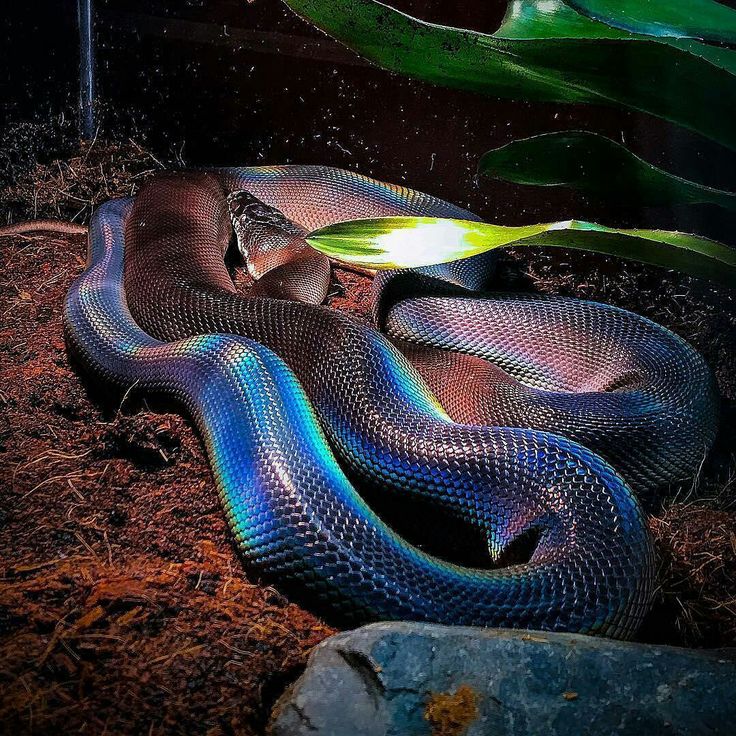
Encountering a white lipped python in the dense undergrowth of New Guinea often triggers an immediate question regarding danger: are white lipped pythons venomous? While the vibrant, oily scales and intense stare of these reptiles command respect, the reality behind their bite is more nuanced than simple categorization as venomous or non-venomous. Understanding the biological realities and behavioral traits of these snakes is essential for both appreciating their role in the ecosystem and ensuring safety in their native habitat.
Biological Classification and Oral Health
To address the core question directly, white lipped pythons are not considered venomous in the medical sense that applies to species like cobras or vipers. They do not possess specialized venom glands or deliver a toxicological payload through hollow fangs. Instead, their oral biology is adapted for gripping and holding, featuring numerous sharp, recurved teeth designed to puncture and maintain a secure hold on struggling prey. The concern regarding illness following a bite stems primarily from the bacteria naturally present in the snake's mouth, similar to many other reptilian species, rather than an injected venom complex.
The Role of Bacteria in Bites
While the snakes themselves are not venomous, the risk associated with a bite is not negligible. The mouth of a white lipped python, like that of any creature inhabiting a wild environment, hosts a diverse microbiome. If a bite breaks the skin, these bacteria can introduce pathogens into the wound, potentially leading to bacterial infections. This is a critical distinction; the primary danger is septicemia and tissue damage from infection, not systemic poisoning. Proper wound care, including immediate cleaning and disinfection, is paramount to mitigating this specific risk.


Behavioral Temperament and Defensive Posture
Observing the demeanor of a white lipped python reveals why the venom question is often misunderstood. These snakes are generally curious and possess an active, inquisitive nature, particularly when young. However, they can exhibit a defensive temper when feeling threatened or cornered. In such scenarios, they may hiss loudly, inflate their bodies to appear larger, and strike repeatedly with determination. This defensive behavior, while intimidating, is a survival mechanism that does not rely on venom delivery but on physical aggression and the psychological impact of the bite.
- Primary Defense: Striking and biting when provoked.
- Secondary Display: Hissing and body inflation to deter threats.
- Hunting Strategy: Constriction and securing prey using powerful jaws.
- Zoological Note: Often confused with the green tree python due to similar arboreal habits.
Physiological Mechanics of the Bite
The anatomy of the white lipped python’s mouth provides insight into the effectiveness of its bite. They possess a double-hinged jaw structure that allows for extreme stretching and independent movement of the mandibles. This adaptation enables the snake to secure prey much larger than its head and maintain a grip for an extended period. When biting a perceived threat, the snake anchors its teeth into the target and shakes its head, a motion designed to inflict deep punctures and maximize trauma, not to inject a toxic substance. The mechanical force of the bite itself can cause significant lacerations.


Comparison to True Venomous Species
It is helpful to contrast the white lipped python with genuinely venomous colubrids. True venomous snakes utilize a sophisticated delivery system to inject toxins that disrupt physiological processes, such as blood coagulation or nerve transmission. The white lipped python lacks this apparatus. Its danger is purely physical and microbial. This distinction is crucial for medical professionals treating snakebites; the treatment protocol for a bacterial infection differs significantly from that required for envenomation, which may involve antivenom administration.
Ecological Role and Interaction with Humans
In the ecosystems of New Guinea, white lipped pythons play a vital role as mid-level predators, helping to regulate populations of rodents, birds, and other small animals. They are a necessary component of the island’s biodiversity. Encounters with humans are relatively rare due to their specific habitat preferences, but they are frequently found in captivity due to their striking appearance. Responsible keepers manage the risk by employing careful handling techniques and maintaining strict hygiene to prevent the transfer of bacteria, ensuring that the interaction remains safe for both the human and the animal.
Conclusion on the "Venom" Question
Ultimately, classifying the white lipped python within the framework of "venomous" or "non-venomous" oversimplifies the biological reality. They are non-venomous constrictors that utilize a powerful bite as their primary weapon. The potential for harm exists, but it is derived from physical trauma and bacterial infection, not from a toxic venom system. Respecting these animals as capable predators necessitates caution, but it also allows for a more accurate understanding of their biology and the specific nature of the risk they pose to humans.


Related Articles

The Ultimate Guide to the White Belly Whale: Facts, Photos & Sightings
The white belly whale, a creature of the deep often shrouded in mystery, represents one of the ocean's most fascinating paradoxes. This marine mammal, known...

Stunning Drawings of a Great White Shark: Art and Facts
The image of a great white shark slicing through dark, cold water is one of the most potent symbols of the ocean’s power. Capturing this iconic predator on...

Apple Seeds Play: Fun Facts & Safe Ways to Enjoy Seeds
Apple seed play represents a fascinating intersection of natural science and culinary routine, transforming the often-overlooked byproduct of snacking into a...

Stunning Hibiscus White Flower with Red Center: Ultimate Guide
The hibiscus white flower red center presents a striking visual paradox that captivates the eye. This specific configuration, where a pure white petal...

Woman's Hospital Injection Clinic: Expert Care & Safe Treatments
Navigating the complexities of women's health often requires specialized care, particularly when immediate medical intervention is necessary. A woman's...

The Ultimate Guide to the Green Naped Parrot: Care, Facts, and Photos
The green naped parrot, often celebrated for its vibrant emerald plumage and sharp intellect, represents one of the most captivating members of the psittacine...