Captain Hook and Crocodile Pictures: The Ultimate Swashbuckling Showdown
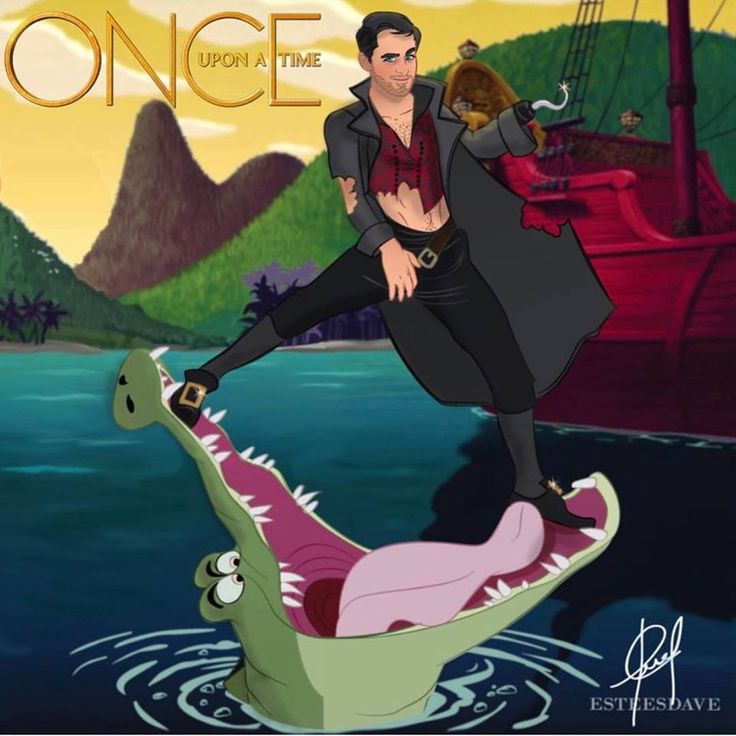
Captain Hook and the crocodile represent one of literature's most fascinating predator-prey dynamics, immortalized in the pages of J.M. Barrie's "Peter Pan." This iconic pairing transcends the original text, evolving into a symbol of looming dread and inevitable fate that has captured the imagination of generations. Visual depictions of their story, particularly captain hook and crocodile pictures, play a crucial role in solidifying this narrative in the public consciousness. From the menacing glint in the captain's eye to the ominous ticking echoing through the ship's cabin, these images distill the essence of a timeless tale.
The Origin of a Deadly Pursuit
The foundation of every compelling image of Captain Hook and the crocodile lies in their origin story within "Peter Pan in Kensington Gardens" and later "Peter and Wendy." The crocodile, initially a benign jungle animal, becomes a formidable hunter after swallowing a clock whose ticking warns Hook of impending doom. This transformation turns the creature into a relentless symbol of mortality, pursuing the pirate captain who embodies the fear of aging and death. Consequently, artwork depicting this relationship often focuses on the tension between the hunter and the hunted, capturing a moment of high dramatic suspense.
Iconic Visual Characteristics in Art
Designers of captain hook and crocodile pictures typically emphasize specific visual cues to convey the narrative's stakes. Captain Hook is usually portrayed with his signature attire—elegant doublet, buckled shoes, and a frilled collar—clad in shadows that highlight his aristocratic cruelty. In stark contrast, the crocodile is rendered with scaly, textured skin and a gaping jaw, often stylized to appear almost mechanical due to the embedded timepiece. These distinct visual elements ensure that even a static image communicates the dynamic struggle between elegance and savagery.


Artistic Interpretations Through the Decades
The evolution of captain hook and crocodile pictures reflects changing artistic sensibilities across the 20th and 21st centuries. Early 20th-century illustrations often leaned towards a heavy Art Nouveau style, featuring flowing lines and intricate patterns that emphasized the fantastical nature of Neverland. Mid-century interpretations, particularly those accompanying Disney's 153 animation, adopted a more streamlined and humorous approach, softening the villainy of Hook to appeal to children. Modern renditions, however, frequently return to a darker, more Gothic aesthetic, exploring the psychological terror of the chase with high-contrast lighting and realistic textures.
Beyond the Page: Pop Culture Variations
The imagery of Captain Hook and the crocodile has permeated far beyond the original book, appearing in various media formats that generate their own distinct visuals. In theatrical productions, costume design dictates the physical representation, often creating imposing suits or elaborate masks that translate the story into three dimensions. Film adaptations introduce new layers, using special effects to create dynamic chase sequences where the pictures are in constant motion, blurring the line between illustration and moving image.


The Symbolism Embedded in the Imagery
On a metaphorical level, captain hook and crocodile pictures serve as powerful visual metaphors for confronting one's past mistakes. The crocodile represents the inescapable consequence of Hook's choice to become a pirate, a literal "tick" of the clock that he can never outrun. For viewers, these images evoke a universal anxiety about time and accountability. The visual contrast between the refined captain and the primal beast underscores the internal conflict between civilization and primal instinct that resides within everyone.
Collecting and Appreciating the Artwork
For enthusiasts and collectors, seeking out vintage captain hook and crocodile pictures offers a journey through the history of children's literature illustration. Original art from golden-age picture books or limited edition prints from renowned artists can command significant value. When curating such a collection, it is essential to examine the fidelity of the reproduction, the artist's intent, and the historical context of the piece to fully appreciate the craftsmanship involved in bringing this legendary feud to life.




Related Articles

Captain Underpants vs Dog Man Coloring Pages: Ultimate Showdown!
Parents and educators searching for dynamic, printable art projects for young readers will find immense value in exploring the intersection of two wildly...

The Ultimate Guide to Pictures of Barbie Doll House: Inspiration & Ideas
Exploring pictures of Barbie doll house reveals a world where meticulous design meets boundless imagination. These images capture more than just miniature...

Ultimate Spider-Man Pictures to Color: Free Printable Coloring Pages
Engaging children in creative activities is one of the most effective ways to support their development, and spider man pictures to color provide a perfect...

Yucca vs Dracaena: The Ultimate Indoor Plant Showdown
When comparing houseplants, the debate between yucca and dracaena often arises due to their striking visual similarities. Both species feature tall...

Roblox Color Pictures: Ultimate Guide & HD Images
Roblox color pictures capture the vibrant and imaginative world that millions of players explore every day. From the neon-bright accessories to the detailed...

The Ultimate Sweet Showdown: Lokum Turkish Delight vs. Baklava
Within the vast and delicious universe of Middle Eastern sweets, few treats capture the imagination quite like lokum Turkish delight and baklava. While these...