Compare Mitosis vs Meiosis: Key Differences in Cell Division
Cell division is the fundamental process that enables growth, repair, and reproduction in all living organisms. While both mitosis and meiosis involve the division of a cell's nucleus, they serve starkly different biological purposes and follow distinct molecular pathways. Understanding the nuanced differences between these two processes is essential for grasping how life maintains stability across generations and how it introduces the genetic variation necessary for evolution. This comparison delves into the structural outcomes, functional roles, and chromosomal behavior unique to each form of division.
The Fundamental Purpose of Division
Mitosis is primarily a mechanism for somatic cell proliferation, ensuring that an organism can grow from a single zygote into a complex multicellular entity and replace damaged or dead cells. The goal here is the production of two genetically identical daughter cells that maintain the exact chromosome number of the parent cell, a state known as diploidy. In contrast, meiosis is a specialized form of cell division dedicated to sexual reproduction. Its purpose is to generate gametes—sperm and egg cells—that contain half the number of chromosomes, transforming the diploid cell into haploid cells. This reduction is critical; when two haploid gametes fuse during fertilization, the resulting zygote restores the full diploid chromosome number, preventing a doubling of chromosomes with each generation.
Chromosomal Segregation and Genetic Identity
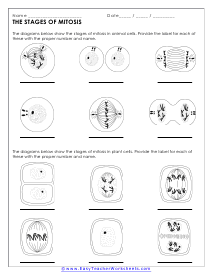
During mitosis, the primary event is the separation of sister chromatids. After DNA replication in the S phase, each chromosome consists of two identical sister chromatids. These sisters are pulled apart during anaphase and distributed evenly to opposite poles of the cell, ensuring that each daughter nucleus receives an exact copy of the genetic material. Consequently, the two daughter cells are clones of the original parent cell and of each other, preserving genetic continuity. Meiosis, however, involves two consecutive divisions—Meiosis I and Meiosis II—without an intervening round of DNA replication. In Meiosis I, the key event is the separation of homologous chromosomes, not sister chromatids. This reductional division splits the chromosome number in half. Meiosis II then separates the sister chromatids, similar to mitosis, ultimately producing four distinct haploid cells.


The Impact of Crossing Over and Independent Assortment
One of the most significant contrasts between the two processes lies in how they generate genetic diversity. Mitosis occurs with remarkable fidelity; the sister chromatids are generally identical, and the alignment of chromosomes is random but balanced, resulting in no new combination of alleles. Meiosis, on the other hand, is a masterclass in genetic reshuffling. During prophase I, a crucial phase unique to meiosis, homologous chromosomes pair up in a process called synapsis. This alignment facilitates crossing over, where segments of DNA are exchanged between non-sister chromatids. This recombination creates chromosomes with novel combinations of maternal and paternal genes. Furthermore, during metaphase I, the random orientation of homologous pairs—known as independent assortment—means that each daughter cell receives a random mix of maternal and paternal chromosomes, exponentially increasing the potential genetic variation in the offspring.
Structural and Numerical Outcomes
The structural results of these processes are fundamentally different. Mitosis produces two diploid (2n) daughter cells that are genetically identical to the parent cell and to each other. These cells are structurally similar, containing the same chromosome complements and organelle distributions necessary for the specific function of the tissue. Meiosis, conversely, yields four haploid (n) daughter cells, each containing a single set of chromosomes. These cells are not identical to the parent cell or to each other due to the recombination and assortment that occurred during prophase I and metaphase I. In humans, for example, mitosis produces cells with 46 chromosomes, while meiosis produces gametes with 23 chromosomes.


Occurrence and Biological Roles
Mitosis is a ubiquitous process found in plants, animals, fungi, and protists. It is the workhorse of asexual growth and repair, occurring in root tips, skin basal layers, and throughout the developing embryo. Any cell in the body that is not a gamete can undergo mitosis. Meiosis, however, is restricted to the gonads—the testes in males and the ovaries in females—where gametes are produced. Its sole biological role is to enable sexual reproduction. While mitosis ensures the survival and maintenance of the individual organism, meiosis ensures the survival of the species by creating genetic diversity. This diversity is the raw material for natural selection, allowing populations to adapt to changing environments and resist diseases.
A Comparative Summary
To truly visualize the divide between these two essential processes, consider the following breakdown of their key characteristics:
| Feature | Mitosis | Meiosis |
|---|---|---|
| Type of Cell | Somatic (body) cells | Germ (sex) cells |
| Number of Divisions | One | Two (Meiosis I and II) |
| Daughter Cells Produced | Two | Four |
| Chromosome Number | Diploid (2n) – unchanged | Haploid (n) – reduced |
| Genetic Similarity | Identical (clones) | Unique (genetically diverse) |
| Key Event | Separation of sister chromatids | Separation of homologous chromosomes (crossing over) |
By comparing the products of mitosis with meiosis, we see a elegant duality in cellular reproduction. One process prioritizes precision and stability, cloning the genome to build and maintain the organism. The other prioritizes variation and reduction, dismantling the genetic order to create the raw diversity of life. Together, they form the complete cycle of cellular life, balancing the retention of identity with the generation of novelty.


Related Articles

Cell Division Reinforcement Answers: Mastering Mitosis & Meiosis
Cell division reinforcement answers represent a critical intersection of molecular biology and genetic stability, addressing how organisms ensure the precise...
Colorful Mitosis Animal Cell Diagram: Phases & Stages Explained
Exploring the intricate process of cell division becomes a vibrant journey when we examine the colored mitosis animal cell with phases. This educational...
Meiosis Summary Worksheet: Cell Division Mastery Explained
For educators designing a comprehensive unit on genetics, a meiosis summary worksheet serves as an essential tool for consolidating complex concepts. This...

Animal Cell Coloring Page with Questions: Label Parts & Answer Key
Engaging with an animal cell coloring page with questions transforms a simple artistic activity into a dynamic learning experience. This specific educational...

10.3 Regulating the Cell Cycle Key: Unlock Division Control
Understanding 10.3 regulating the cell cycle key is fundamental to grasping how multicellular organisms maintain genomic integrity and prevent diseases like...

Animal Cell Coloring with Labels: Free Printable Diagrams
Animal cell coloring with labels serves as a foundational exercise in introductory biology, allowing students to visualize the complex architecture of...