Cute Cut Out Pig Template – Free Printable Crafts for Kids
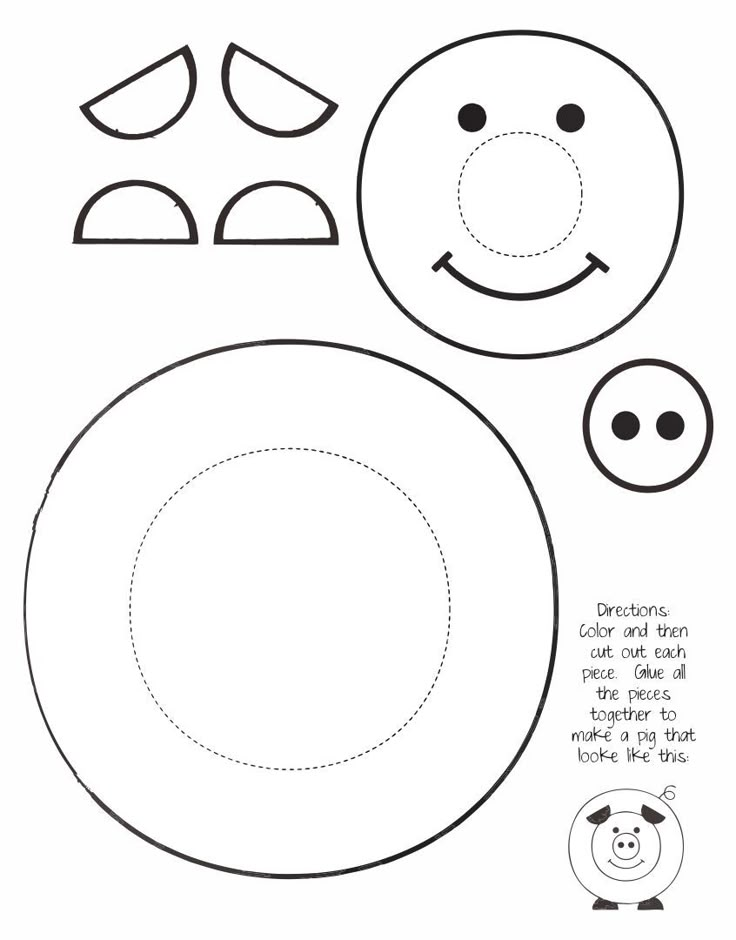
For anyone involved in crafting, woodworking, or DIY home decor, finding the right starting point is often the biggest hurdle. A cut out pig template serves as the perfect solution for injecting a touch of rustic charm or playful whimsy into a project. Whether you are creating a felt appliqué for a child’s room, a painted motif on a piece of furniture, or a stencil for fabric, having a precise and reliable template eliminates the guesswork and ensures professional-looking results every time.
Why Templates are Essential for Precision Crafting
Templates act as the blueprint for your creative vision, transforming a simple idea into a tangible shape without the frustration of freehand drawing. When working with materials like thick cardstock, wood, or layered fabric, a rigid template provides the stability needed for clean cuts. A cut out pig template, specifically, offers a distinct outline that guides scissors or blades, reducing the risk of tearing the material or deviating from the desired shape. This level of accuracy is invaluable for producing multiples of the same design, such as a set of embroidered pillows or a collection of wooden ornaments.
Material Selection and Preparation
Choosing the right medium for your template is just as important as the design itself. Paper templates are ideal for tracing onto fabric or soft woods, while plastic mylar templates offer durability for repeated use with ink or paint. For the cut out pig template, consider the end-use: if it is for a sewing pattern, a lightweight card stock works well; if it is for carving wood, a thicker template ensures the pattern does not shift. Preparing the surface by securing the template with tape or spray adhesive prevents movement, which is the primary cause of blurred edges or uneven lines.


Versatility Across Creative Disciplines
The beauty of a cut out pig template lies in its adaptability across various artistic mediums. In the realm of sewing and quilting, the template can be used to cut out fabric pieces for appliqués, pillows, or Halloween costumes. For woodworkers, it serves as a guide for routing, carving, or laser cutting shapes into planks or panels. Even in digital art, the physical template can be scanned and converted into a digital asset for use in graphic design software, bridging the gap between traditional crafting and modern technology.
- Appliqué and patchwork sewing
- Wood carving and relief art
- Stenciling for walls or furniture
- Paper cutting and card making
- Clay modeling and pottery
- Children’s craft projects
Customization and Personalization
While a standard cut out pig template is a fantastic resource, the true magic happens when you make it your own. Once you have the basic shape traced, the possibilities for embellishment are endless. You can alter the expression by adding curved lines for eyes or a smiling mouth. Adjusting the proportions of the legs or ears can create a cute, chubby pig or a leaner, more realistic animal. This customization ensures that your final piece reflects your personal style rather than a generic store-bought design.


Experimenting with scale is another way to utilize the template effectively. Creating a massive pig silhouette for a nursery wall adds a dramatic statement, while a miniature version can be used as a charm for a keyring. The template is not a limitation but a foundation for your imagination; by resizing the outline, you can explore how the shape interacts with different spaces and textures.
Where to Find and How to Use Your Template
Sourcing a high-quality cut out pig template is easier than ever, thanks to the abundance of digital resources available online. Many websites offer free downloadable PDFs, while others provide premium files for purchase that include multiple poses or intricate detailing. When downloading, ensure the file format matches your tools—SVG files are best for Cricut or Silhouette cutting machines, while PDF files are universally printable. Always verify the scale of the template before printing to ensure it fits your project dimensions.
To use the template, simply print it out and cut it along the solid line with scissors. Place the cut shape onto your chosen material and trace the outline using a pencil or chalk for visibility. For wood or thicker materials, you may secure the paper template directly to the surface and use a utility knife to score the lines, which makes sawing along the path much easier. By following these steps, you transform a simple digital file into a beautifully crafted physical object with minimal effort.




Related Articles

Free Printable Llama Template: Cute Llama Crafts for Kids & Adults
Finding a reliable free printable llama template can transform your next craft project, classroom activity, or digital design into something uniquely charming...

Free Printable Bumble Bee Template PDF – Cute Crafts for Kids, Decor & More
Finding high-quality, ready-to-use bumble bee designs for crafts, classroom activities, or educational projects can be time-consuming. A free printable bumble...

Cute Mitten Coloring Pages for Kids - Free Printable Winter Crafts
Mitten coloring pages offer a charming and accessible creative outlet for artists of all ages, transforming a simple winter motif into an opportunity for...

Free Printable Gingerbread Man Face Template – Cute Holiday Craft for Kids
Finding the perfect activity for a rainy afternoon or a festive classroom project often leads parents and educators to the classic gingerbread man. A free...

Free Printable Bat Template: Spooky Crafts for Kids & Halloween Decor
Finding a reliable source for a free printable bat template can transform a simple evening into a memorable Halloween gathering or a stunning piece of spooky...

Cute Bunny Easter Egg Coloring Pages for Kids – Free Printable Designs
Bunny Easter egg coloring pages provide a delightful intersection of seasonal tradition and creative expression. These printable sheets feature charming...