Disney Forky Coloring Pages: Free Printable Fun for Kids
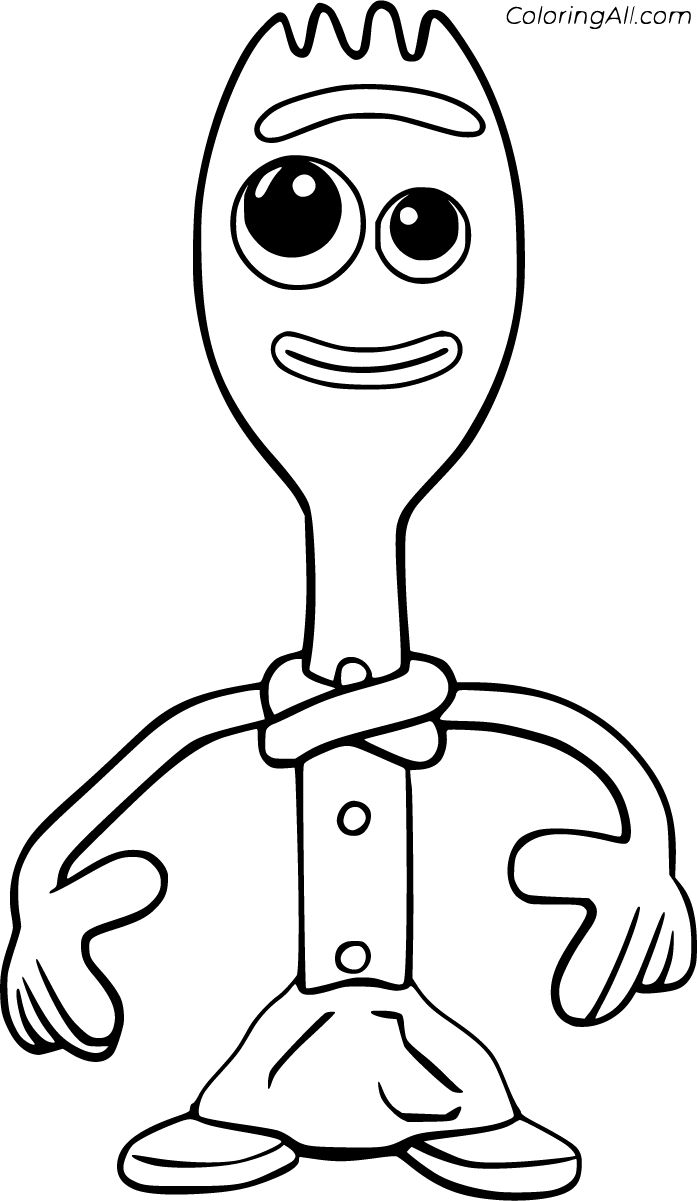
Disney Forky coloring pages present a vibrant portal into the heart of Pixar's beloved "Toy Story" universe, merging the innocent charm of a homemade toy with the timeless appeal of Disney animation. These specific sheets transform the quirky spork into a canvas for creativity, allowing children and adults alike to explore color theory within a familiar narrative framework. Fans of the franchise find joy in recreating Forky's journey from uncertainty to self-acceptance through a spectrum of personalized hues. This activity serves not just as entertainment, but as an engaging bridge between digital storytelling and traditional hands-on art.
The appeal of these printable templates lies in their accessibility and dual nature as both a fun pastime and an educational tool. Parents and educators utilize these pages to develop fine motor skills, encouraging the precise grip and controlled movement required for coloring within the lines. Simultaneously, children are immersed in a world where a simple toy gains personality, fostering imagination and narrative play as they assign colors and stories to Forky's anxious yet hopeful expression. The act of coloring becomes a quiet, focused exercise that enhances concentration and provides a sense of calm creative expression.
Why Forky Resonates with Young Artists
Forky's unique design is particularly effective for coloring activities. His asymmetrical shape, simple lines, and distinct features—such as his googly eyes and spork body—provide clear boundaries ideal for developing pencil control. Unlike complex characters, his form is approachable for beginners, reducing frustration and building confidence. The character’s relatable anxiety and ultimate embrace of his purpose also offer subtle emotional layers, allowing children to project their own feelings onto the artwork and create a personal connection to the creative process.


Navigating the World of Disney Forky Coloring Pages
Finding high-quality Disney Forky coloring pages requires navigating a landscape of official and fan-created content. The best resources prioritize the character's specific design from the "Toy Story 4" film, ensuring accuracy in his smile, buttons, and spork limbs. Key attributes of superior printable sheets include:
- Clear, bold outlines that prevent color bleed and are suitable for various mediums like crayons, markers, or colored pencils.
- Appropriate sizing for standard letter or A4 paper, ensuring the character is prominent without overwhelming the page.
- Resolution high enough for clean printing, avoiding pixelation that can ruin the experience for detail-oriented colorists.
Thematic Depth Through Color
Coloring Forky offers more than mere pattern filling; it invites an exploration of the character's thematic journey. His original palette of blues and greens can symbolize his nervous energy and sense of being an outsider. Encouraging children to use warm colors like reds and oranges can visually represent his growing confidence and belonging with Bonnie. This interactive storytelling through color allows young artists to engage with the underlying message of self-worth and finding one's place, transforming a simple activity into a meaningful lesson in empathy and acceptance.


For collectors and enthusiasts, these pages also serve as a form of soft memorabilia, capturing the essence of a modern Disney icon in a tangible, interactive format. They provide a screen-free alternative to digital entertainment, promoting mindfulness and creativity. The resulting artwork becomes a personal artifact, a snapshot of a child's interpretation of a character who, much like the art itself, is defined by the beauty of his unique construction and the colors we赋予 him.
Integrating Art into Storytelling
Maximizing the experience involves using the coloring sheets as a companion to the film. Watching "Toy Story 4" and then coloring Forky allows children to process the movie's events visually, reinforcing narrative sequencing and comprehension. Teachers can leverage these pages in the classroom to discuss themes of identity and change, using the act of coloring as a springboard for discussion and creative writing exercises. This multi-sensory approach cements the emotional impact of the story and deepens the child's engagement with the art form.


Related Articles
Free Printable Forky Coloring Pages – Disney Toy Story Color Sheets for Kids
Finding the perfect creative outlet for a child often involves searching for familiar characters that spark immediate joy. The beloved cast of Toy Story...

Free Disney Characters Coloring Pages Elsa – Printable Fun for Kids
Parents and educators constantly seek engaging activities that blend entertainment with developmental benefits. For fans of modern fairy tales, disney...

Free Disney Princess Connect the Dots Coloring Pages for Kids (Elsa Printable)
Discover the magic of Disney with our exclusive collection of disney princess coloring pages free to print connect dots elsa. This specific category offers a...

Disney Baby Princess Coloring Pages: Free Printable Activities for Kids
Disney baby princess coloring pages offer a magical gateway to creativity for the youngest artists. These specific sheets feature beloved characters in their...

Disney Princess Pocahontas Coloring Pages for Kids: Free Printable Activities
Disney Princess Pocahontas coloring pages offer a vibrant gateway for children to connect with a beloved classic film and explore a rich cultural narrative...

Free Disney Winnie the Pooh Printable Coloring Pages for Kids
Printable Disney baby Winnie the Pooh coloring pages offer a delightful and accessible way for parents and caregivers to bring a touch of classic Disney magic...