Free Week at a Glance: See All Deals in One View
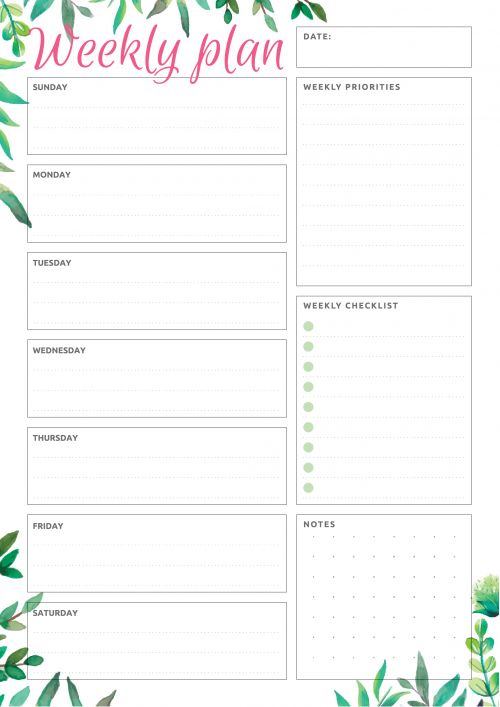
Understanding your schedule at a glance is essential for maximizing productivity and reducing stress. The concept of a free week at a glance provides a structured yet flexible framework for organizing your time without the pressure of a rigid itinerary. This approach allows you to see your available hours clearly, turning idle moments into opportunities for growth or rest. By visualizing your free time, you can proactively design a week that aligns with your personal and professional goals.
Defining a Free Week at a Glance
A free week at a glance is not about filling every moment with activity, but rather about gaining a clear perspective on your temporal landscape. It involves mapping out your committed hours—such as work and sleep—while highlighting the open spaces that remain. This visual mapping transforms abstract "free time" into tangible blocks you can actively manage. The goal is to move from a reactive schedule, where events dictate your actions, to a proactive one, where you dictate your events.
Benefits of Visual Planning
The primary advantage of seeing your week visually is the reduction of decision fatigue. When your free time is laid out clearly, you no longer waste mental energy wondering what to do next. Instead, you can allocate specific blocks for deep work, leisure, or skill acquisition based on your current priorities. This clarity also helps in identifying potential conflicts before they arise, allowing for adjustments that maintain a healthy balance between obligation and freedom.


Strategic Allocation of Time
With a free week at a glance, you can strategically allocate your energy rather than just your time. This method encourages you to match tasks with your natural energy levels. For example, requiring intense concentration tasks during peak energy hours while reserving low-energy periods for mundane chores or relaxation. This alignment ensures that you are working efficiently, not just constantly busy, leading to higher quality output and greater satisfaction.
- Identify your most productive times of day.
- Block focus time for demanding intellectual work.
- Schedule breaks to prevent burnout and maintain momentum.
- Reserve evenings for personal life and disconnection.
Tools and Techniques for Implementation
Implementing this strategy requires the right tools, which can range from simple paper planners to sophisticated digital calendars. The key is to choose a medium that feels intuitive and encourages regular updates. Digital apps often offer alerts and easy modification, while physical planners provide a tangible sense of accomplishment when filling in blocks. The best tool is the one you will actually use consistently to maintain your weekly overview.


Maintaining Flexibility
A common misconception about planning is that it removes flexibility. In reality, a free week at a glance is designed to be a dynamic document. Life happens, and unexpected events will disrupt the best-laid plans. The strength of this system lies in its adaptability; when a meeting runs late or an emergency arises, you can easily reshuffle your blocks. This flexibility prevents the rigidity that often leads to abandoning planning altogether.
Ultimately, mastering the free week at a glance is about taking ownership of your most valuable resource: time. By moving through your week with awareness and intention, you transform free time from a void of unremarkable hours into a canvas for a more fulfilling life. This practice ensures that when the weekend arrives, it does so as a reward for a well-lived week, not an escape from one.



Related Articles

Stunning Coaster Stock Paper Designs - Free Templates & Bulk Deals
Coaster stock paper serves as the foundational layer for premium drinkware protection, offering a blend of functionality and aesthetics that elevates the...

Everything Free Store Co: Your Ultimate Freebie Marketplace & Deals
Everything Free Store Co. represents a revolutionary shift in how consumers access essential goods without financial barriers. This innovative retail model...

Holy Week Fun: Free Maundy Thursday Coloring Pages for Kids
Maundy Thursday coloring pages provide a meaningful intersection of artistic expression and spiritual reflection, allowing individuals to visually engage with...

Printable August 2024 Calendar – Free PDF Templates & Wall View
Staying organized in August 2024 requires a reliable visual layout, and a printable August 2024 calendar provides the perfect solution. Unlike digital apps...

Get Free Abo Credits Online: Instant Top-Up Deals
For individuals looking to manage their personal finances or launch a new business initiative, free abo credits online represent a significant opportunity...

Speedy Race Car Coloring Pages Side View – Free Printable Sheets
Race car coloring pages side view provide an immediate and dynamic perspective that captivates young artists. This specific angle showcases the vehicle's...