Historical Fiction for 4th Grade: Time Travel Tales
Introducing historical fiction fourth grade curricula marks a pivotal moment in a child's educational journey. At this specific age, students transition from learning to read to reading to learn, and compelling narratives set in the past provide the perfect bridge. These stories transform abstract dates into vivid human experiences, allowing children to connect emotionally with events like the American Revolution or ancient civilizations. By embedding factual information within a relatable plot, educators and parents can cultivate a deep, lasting interest in history that moves beyond rote memorization.
Why Historical Fiction Resonates with Nine and Ten-Year-Olds
Fourth graders are at a fascinating cognitive stage where their imagination is robust, yet they still require concrete anchors to understand abstract concepts. Historical fiction for this age group strikes that balance perfectly. It moves beyond the rigid structure of textbooks by offering character-driven plots that explore themes of courage, friendship, and resilience. When a child follows a protagonist navigating the challenges of pioneer life or ancient Egypt, they are not just memorizing facts; they are engaging in a simulated experience that makes the distant past feel immediate and relevant.
Building Empathy and Cultural Awareness
One of the most significant benefits of introducing historical fiction in the fourth grade is its power to build empathy. By stepping into the shoes of a child living in a different era, students learn to see the world through another’s eyes. They discover that despite technological changes, human emotions—fear, joy, ambition, and loyalty—remain constant across centuries. This literary exposure fosters a deeper cultural awareness, helping young readers understand that the modern world is built upon the diverse contributions and struggles of people who came before them.


Key Elements of Effective Fourth Grade Historical Fiction
Not all historical novels are created equal, especially when targeting the fourth-grade reading level. Effective texts for this age group feature accurate historical details woven into an accessible plot. The language must be engaging without being simplistic, and the pacing should keep reluctant readers turning the pages. Furthermore, the setting should be rich and descriptive, utilizing sensory details—sounds, smells, and textures—to transport the reader back in time and make the historical setting feel tangible.
| Element | Description | Example for 4th Grade |
|---|---|---|
| Authentic Dialogue | Language that reflects the era without confusing the reader | Using "aye" or "sir" sparingly to imply the 1700s |
| Relatable Protagonist | A character close to the reader's age facing realistic challenges | A 10-year-old navigating school during the Gold Rush |
| Historical Accuracy | Correct depiction of technology, social norms, and events | Showcasing the limitations of communication in the 1800s |
Integrating Non-Fiction Complements
To maximize learning, historical fiction should be paired with non-fiction resources. While the novel provides the emotional connection, non-fiction texts supply the scaffolding of facts. Teachers often use maps, primary source images, and informational articles to verify the details found in the story. This combination validates the fiction as a learning tool, demonstrating that the narrative is a vessel for real historical inquiry rather than mere entertainment.


Curricular Connections and Standards
The historical fiction fourth grade genre aligns seamlessly with educational standards that emphasize understanding chronology and cause-and-effect relationships. Reading these books supports literacy objectives such as identifying the story's sequence, determining the main idea, and describing a character's motivation. Socially, the books provide context for lessons on geography and government, allowing students to visualize the regions they study and the political structures that governed them.
Recommended Titles for the Classroom and Home
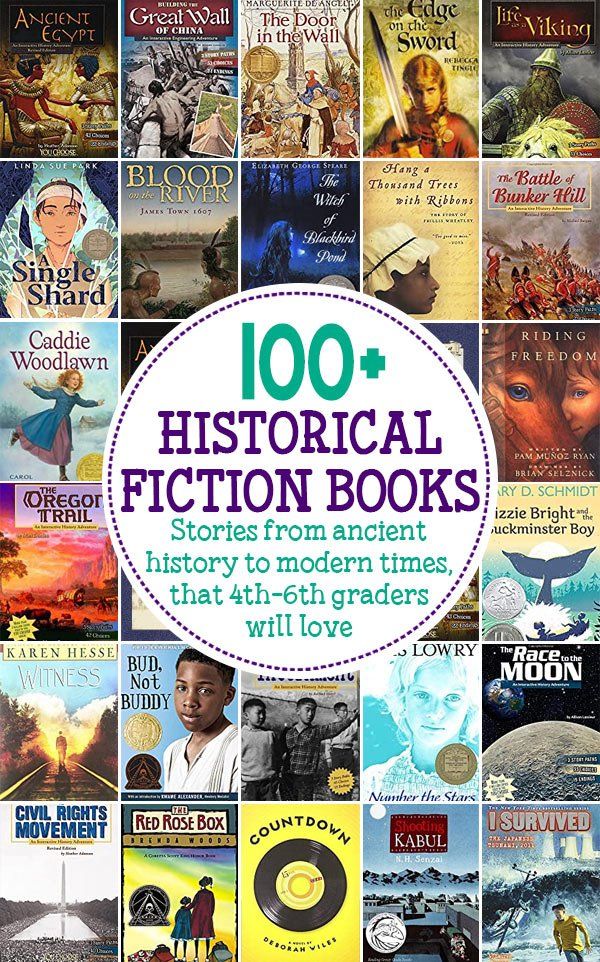
Selecting the right book is crucial for maintaining student interest. The best titles avoid being overly grim or complex, focusing instead on survival, adventure, and problem-solving. Below are several titles that have proven successful in engaging fourth graders while meeting rigorous educational criteria.
- Number the Stars by Lois Lowry: A gripping tale of friendship and bravery during the Danish resistance to the Nazi occupation.
- Island of the Blue Dolphins by Scott O'Dell: A powerful story of resilience based on the true account of a Native American woman left alone on an island.
- Esperanza Rising by Pam Muñoz Ryan: A moving narrative that explores the Great Depression through the eyes of a girl transitioning from wealth to migrant labor.
- Blood on the River: James Town 1607 by Elisa Carbone: An excellent introduction to the Jamestown settlement, focusing on the relationship between Captain John Smith and a young indentured servant.


Related Articles

How Far is Cherry Grove from North Myrtle Beach? Distance & Travel Time
Travelers planning a trip to the Grand Strand often find themselves asking about the specifics of location logistics, particularly when trying to understand...

Fourth Grade Flower Power: Difficult Coloring Pages of Flowers
Fourth grade represents a critical juncture in a child's artistic development, where simple coloring transforms into a pursuit of precision and detail. When...

How Far is Africa from America by Boat? (Distance & Travel Time)
The direct distance between Africa and America varies significantly depending on the specific departure and arrival points. Sailing from the western coast of...

Fourth Grade Flower Coloring Pages: Difficult Botanical Designs for Kids
Fourth grade represents a pivotal moment in a child’s artistic development, where simple coloring transforms into a pursuit of precision and detail. Coloring...

Easy Rangoli Flower Coloring Pages for 4th Grade (9-Year-Olds)
Coloring pages of rangoli flowers offer a vibrant gateway to creativity for nine-year-olds in the fourth grade. This specific activity combines the intricate...

Back to School Coloring Pages for 4th Grade – Printable Fun
Back to school coloring pages fourth grade printable resources serve as a vital bridge between the leisure of summer and the structure of the academic year...