How to Say Y in Sign Language: Easy Step-by-Step Guide
Signing the letter Y in American Sign Language requires a specific hand configuration that is distinct from similar letters. To form this letter, you must extend your thumb and your pinky finger outward while keeping the remaining middle fingers tucked into your palm. This gesture creates a unique silhouette that is easily recognizable within the manual alphabet.
Understanding the Y Handshape
The foundation of signing Y lies in understanding the specific handshape, known in linguistics as the "Y hand." Your hand should form a relaxed posture with the palm facing outward toward the viewer. The primary movement involves extending the thumb and pinky while the middle three fingers maintain a closed position.
Step-by-Step Gesture Breakdown
- Begin by relaxing your hand in a neutral position with the palm facing forward.
- Extend your thumb away from the palm, pointing it upward or slightly forward.
- Simultaneously, extend your pinky finger in the opposite direction, creating a straight line.
- Ensure that your middle finger, index finger, and ring finger are curled into your palm, making a fist with the center.
Visual Context and Usage
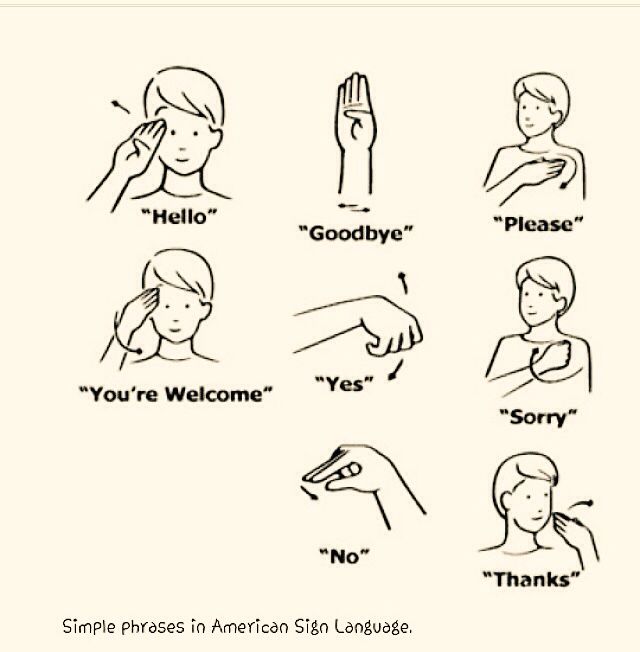
It is important to distinguish the letter Y from other handshapes in the alphabet, such as the handshape for "U" or "I." While this gesture is part of the manual alphabet, it also appears in various signs throughout the language. For instance, the sign for "YOU" utilizes a pointing gesture that is different from the static letter formation.


Avoiding Common Mistakes
Learners often confuse the Y handshape with the letter "U" because both involve extending two fingers. The critical difference is that the letter "U" requires the thumb and pinky to point downward, mimicking the shape of the letter. For the letter Y, the hand orientation is generally upright, and the extended fingers create a vertical alignment that resembles the letter itself.
Practical Application and Flow
When signing words that contain the letter Y, such as "Yacht" or "Yes," you will typically incorporate this handshape into a fluid motion. Unlike fingerspelling, where you might hold the letter briefly, natural signing often involves transitioning quickly to the next sign. Practicing the movement ensures that your signing remains clear and legible to the viewer.


Fingerspelling the Alphabet
To fully integrate the Y handshape into your vocabulary, practice fingerspelling the entire alphabet. Locate the position where Y appears in the sequence and focus on the transition from the letter X to Z. Smooth transitions between letters are essential for maintaining a steady pace and ensuring comprehension.
| Letter | Handshape Description | Key Difference |
|---|---|---|
| Y | Thumb and pinky extended, middle fingers closed | Palm generally facing forward, vertical orientation |
| U | Thumb and pinky extended, middle fingers closed | Palm facing down, fingers pointing downward |
| I | Pointer finger extended | Single finger gesture |
Mastering how to sign Y opens the door to a wider range of vocabulary and more complex conversations. Consistent practice of this handshape ensures that your fingerspelling is accurate and that your communication remains effective and precise.




Related Articles

Learn to Draw the E in Sign Language – Easy Step-by-Step Guide
Sign language is a rich and complex visual language used by the Deaf and hard of hearing communities, and its depiction in art and digital media requires...

How to Change Canon Printer Language from Chinese to English: Easy Step-by-Step Guide
Navigating your Canon printer's settings becomes significantly easier once you understand how to change the display language, particularly if your current...

Draw a Four Leaf Clover: Easy Step-by-Step Guide
Learning how to draw a four leaf clover is one of the simplest yet most rewarding creative exercises available. This iconic symbol of luck requires just a few...

Find the Midrange on TI-84 Plus: Easy Step-by-Step Guide
Finding the midrange on a TI-84 Plus is a fundamental statistical calculation that provides a quick measure of the spread of your data. While the calculator...

How to Draw an African Penguin: Easy Step-by-Step Guide
Drawing an African penguin requires a blend of observational skill and technical understanding, as this charming species possesses a distinct silhouette that...

Easy Boston Tea Party Drawings: Step-by-Step Guide for Kids
Capturing the dramatic moment of the Boston Tea Party in a simple sketch is easier than you might think, and it serves as a fantastic way to visualize this...