Mesmerizing Jelly Fish Colour: The Ultimate Visual Spectacle
The visual identity of a jellyfish is inextricably linked to its translucent body, yet the jelly fish colour spectrum is far more diverse than the classic ghostly white most people imagine. While the term "jellyfish" often conjures images of pale, drifting creatures, these marine animals exhibit a stunning array of hues, from deep oceanic blacks to vibrant fluorescent flashes. Understanding this vibrant diversity requires looking beyond simple pigmentation and into the complex interplay of biology, physics, and environment that creates these living colours.
The Science Behind Jellyfish Pigmentation
Unlike land animals that rely heavily on melanin for colour, jellyfish primarily achieve their jelly fish colour through a combination of structural coloration and unique biological pigments. Many species possess proteins similar to green fluorescent protein (GFP), which absorb blue light and re-emit it as green, creating an ethereal glow in certain conditions. The primary pigments responsible for true colouration are carotenoids, which create yellow, orange, and red tones, and phycoerythrin, which produces vibrant reds. The specific combination of these elements, layered within the gelatinous mesoglea, determines the final visible hue of the organism.
Common Colours and Their Causes
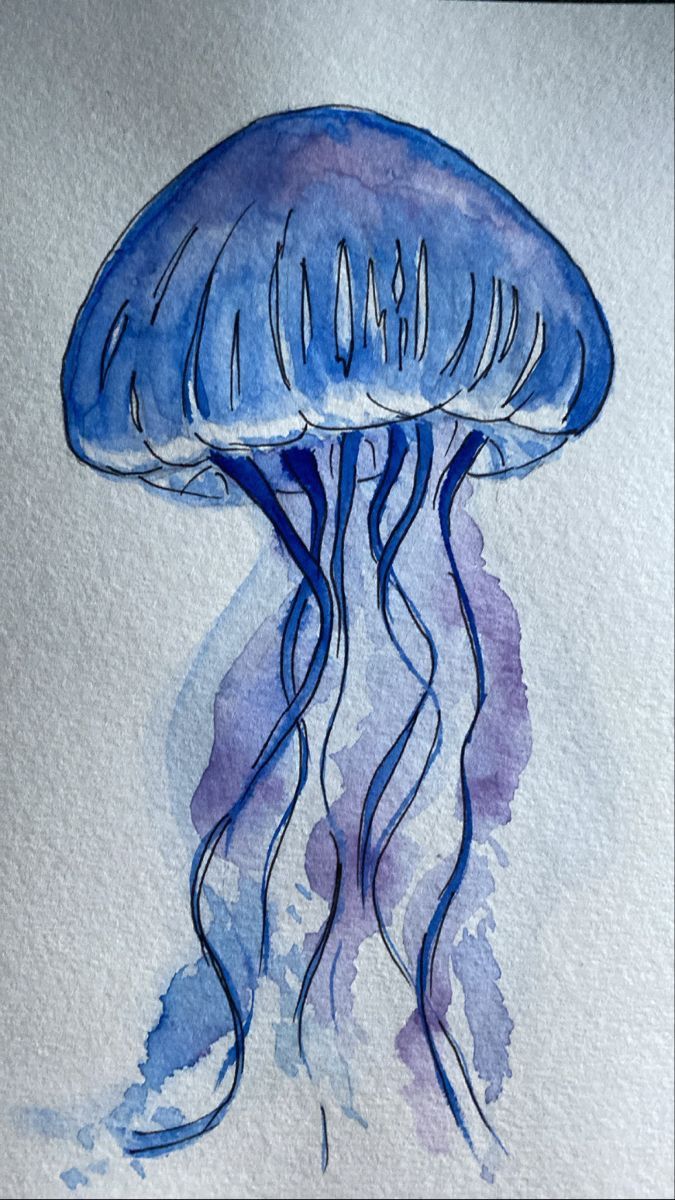
When observing a jelly fish colour chart, several dominant tones emerge across different species. The medusa stage of the moon jellyfish typically displays a creamy white or pale pink bell, often marked with visible gonads that look like faded moons. The lion's mane jellyfish, one of the largest species, presents a striking rust-red or dark maroon colouration, helping it camouflage within deeper, cooler waters. Perhaps the most iconic shade belongs to the Portuguese man o' war, which exhibits a distinctive blue-purple hue that serves as a warning of its potent venom.


The jelly fish colour you observe in the wild is not always a fixed trait; it can be influenced by both the animal's health and its surroundings. Diet plays a significant role, as the consumption of certain types of algae or plankton can intensify carotenoid pigments, leading to richer colour saturation. Furthermore, changes in water temperature, salinity, and light exposure can cause subtle shifts in perceived colour. A healthy jellyfish in optimal conditions will often display a more vivid and consistent tone compared to a stressed or unhealthy individual.
Camouflage and Warning Colours
Evolution has sculpted the jelly fish colour palette to serve specific survival functions. In the open ocean, transparency and pale tones provide effective camouflage against predators looking down from above, blending the creature with the bright surface brightness. Conversely, the deep red and black pigments found in some deep-sea species act as camouflage in the aphotic zone, where red light does not penetrate. For venomous species, the bright blue or purple of the lion's mane or the vivid orange of certain box jellyfish serves as an aposematic warning, advertising their dangerous nature to potential predators.


The Role of Bioluminescence
One of the most magical aspects of the jelly fish colour palette occurs in the deep ocean, where bioluminescence takes centre stage. Species like the crystal jelly produce a green fluorescent light through a chemical reaction, creating a spectacle that seems to defy the darkness of the abyss. This light is not merely for show; it is used for attracting prey, startling predators, and facilitating communication. The ability to generate light effectively adds a dynamic layer to their visual identity, transforming their appearance based on movement and stimulation.
Implications for Human Perception
For humans, the jelly fish colour serves as the primary identifier for species classification and hazard assessment. Swimmers rely on visual cues to distinguish between harmless moon jellies and the dangerous box jellyfish. In the aquarium trade, the vibrant displays of specific species drive aesthetic appeal, making the study of colouration vital for conservation and exhibition efforts. The ongoing research into jellyfish proteins continues to provide groundbreaking applications in medical imaging and neuroscience, proving that the beauty of these colours has implications far beyond the ocean's surface.




Related Articles

The Ultimate Outline of Fish Bowl: A Complete Guide
An outline of fish bowl serves as the foundational blueprint for any successful aquatic habitat, transforming a simple container into a thriving miniature...

Color Your Dream Cars: The Ultimate Cars to Colour Adventure
Engaging with art often means finding the perfect medium to express your inner world, and few activities offer the same blend of relaxation and creativity as...

Sea of Clouds Switzerland: The Ultimate Guide to the Mesmerizing Skywalk
Above the undulating alpine meadows of central Switzerland, a meteorological phenomenon often transforms the landscape into something ethereal. The sea of...

Unlock the Power of Naruto Susanoo Colors: Your Ultimate Visual Guide
Exploring the iconic visual design of the Naruto universe inevitably leads to one of the most powerful defensive abilities ever depicted: Susanoo. Often...

Crispy Fish Fillet Parmigiana Recipe: Ultimate Baked Seafood Delight
Few dishes capture the essence of cozy, hearty cooking quite like fish fillet parmigiana. This elevated take on a classic Italian-American staple transforms a...

Pictures of Donuts: The Ultimate Visual Treat 🍩✨
The visual appeal of a picture of donut is often the first catalyst for consumer desire, transforming a simple pastry into an irresistible treat. Capturing the...