LinkedIn Profile Best Practices 2020: Optimize Your Professional Presence
Optimizing your LinkedIn profile in 2020 was less about sporadic updates and more about establishing a robust, professional foundation. This year marked a significant shift where the platform solidified its role as a critical tool for career development, personal branding, and B2B marketing. To stand out in a crowded digital workspace, professionals needed to move beyond basic profiles and adopt strategic best practices that highlighted expertise and fostered genuine connections.
Strategic Profile Optimization
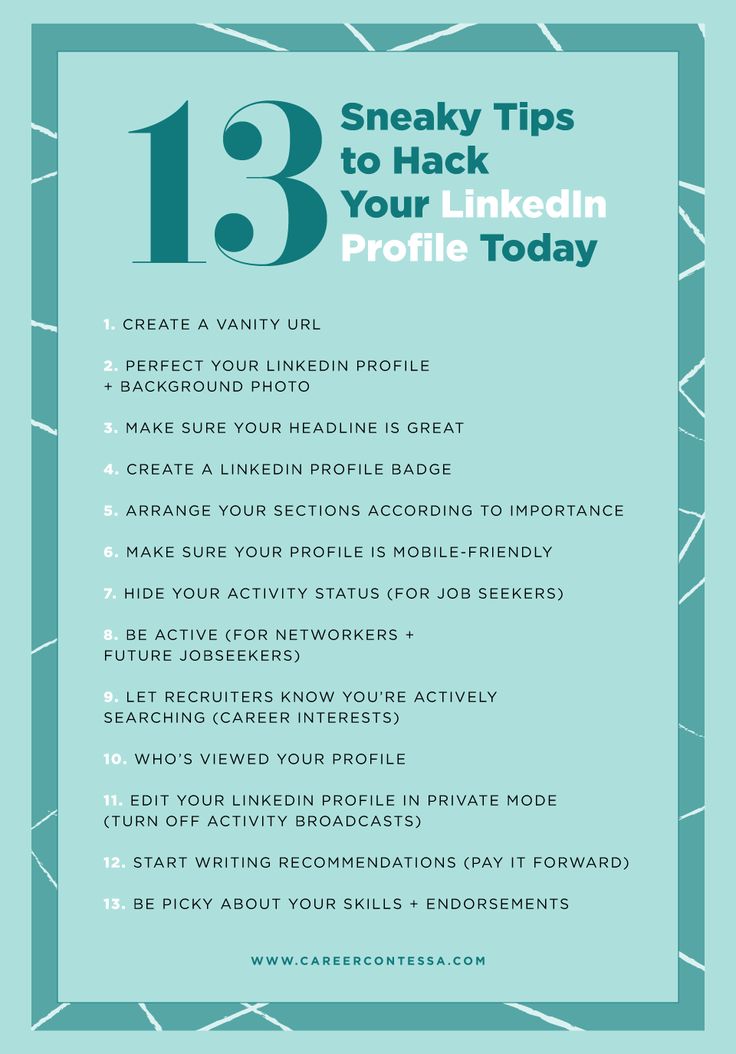
The foundation of a successful LinkedIn presence begins with a meticulously optimized profile. In 2020, this meant treating your profile like a living resume rather than a static biography. The first section of your profile, often referred to as the "above the fold" area, needed to immediately communicate your value proposition. This involved crafting a compelling headline that went beyond your current job title to include key skills and industry focus, making it clear to recruiters and peers exactly what you offered.
Keywords and Visual Impact
Searchability was paramount in 2020, requiring the deliberate integration of relevant keywords throughout your profile. These terms, which potential employers or clients might use in searches, needed to appear in your headline, summary, experience section, and skills. Coupled with this textual optimization, visual presentation played a crucial role. A high-quality, professional headshot was non-negotiable, as it built trust and significantly increased profile views. Furthermore, utilizing the banner photo space allowed for personal branding, showcasing company logos, motivational quotes, or industry-specific imagery to create a visually complete and engaging page.


The Power of the Narrative
While listing job responsibilities is standard practice, the most effective profiles in 2020 told a story. The "About" section, or summary, served as the elevator pitch, offering a chance to humanize the professional persona. Instead of dry statements, this area benefited from narratives that outlined career journeys, core passions, and professional aspirations. The goal was to connect with visitors on a personal level, transforming a profile from a list of credentials into a compelling reason for someone to want to collaborate or hire.
Showcasing Results and Leveraging Media
Moving beyond duties, the experience section demanded quantifiable achievements. Professionals learned to frame their contributions in terms of impact, using bullet points that highlighted specific results, such as "increased sales by 15%" or "managed a team of 10." The introduction of LinkedIn's document and media upload features was a game-changer. Savvy users leveraged this to attach presentations, campaign reports, articles, and portfolios directly to their profiles, providing tangible proof of their capabilities and allowing visitors to assess their work quality without leaving the platform.


Engagement and Network Strategy
A static profile is only half the battle; active engagement is essential for growth in 2020. The algorithm favored users who interacted consistently with their network, meaning that simply having a profile was insufficient. Professionals were encouraged to share industry insights, comment on trending topics, and publish original articles to position themselves as thought leaders. This activity not only increased visibility but also drove traffic to their profile, signaling to the platform that they were an active and influential member of the community.
Intentional Connection Building
The quality of a network began to outweigh the quantity. In 2020, the best practice shifted away from indiscriminate connection requests. Instead, users focused on building targeted lists of connections within specific industries, companies, or roles. Sending personalized connection requests that mentioned a shared connection, recent post, or mutual interest became the norm. This strategic approach ensured that the network was not just large, but also highly relevant for fostering meaningful professional relationships and opportunities.




Related Articles

How to Change Your Profile Picture on YouTube 2020: Step-by-Step Guide
Changing your profile picture on YouTube in 2020 was a straightforward process that served as the digital face of your channel identity. This visual element...

Catch Cool Profile Picture Caption Ideas For Your Best Look
Your profile picture is the digital handshake, the visual whisper that precedes your voice in a crowded online room. Yet, even the most striking image can fade...

E Profile KPM: The Ultimate Guide to Mastering Your Digital Presence
An e profile KPM represents a critical intersection between modern digital identity and enterprise performance management. This concept emerges from the need...

Maximize Your Google Form Header: Size Tips & Best Practices
When configuring a modern survey or registration form, the dimensions of the header space often dictate the initial user experience. Google Forms, the...

Optimize IT with Windows Server Solutions Best Practices Analyzer
For IT professionals managing complex hybrid infrastructures, maintaining consistent security postures and operational efficiency is a constant challenge. The...

When You Test Your Code in Production: Best Practices & Strategies
Deploying code directly into the live environment without a staging layer is often viewed as the cardinal sin of operations. For decades, the industry has...