Handmade Maasai Necklaces Kenya: Authentic Artisan Beadwork
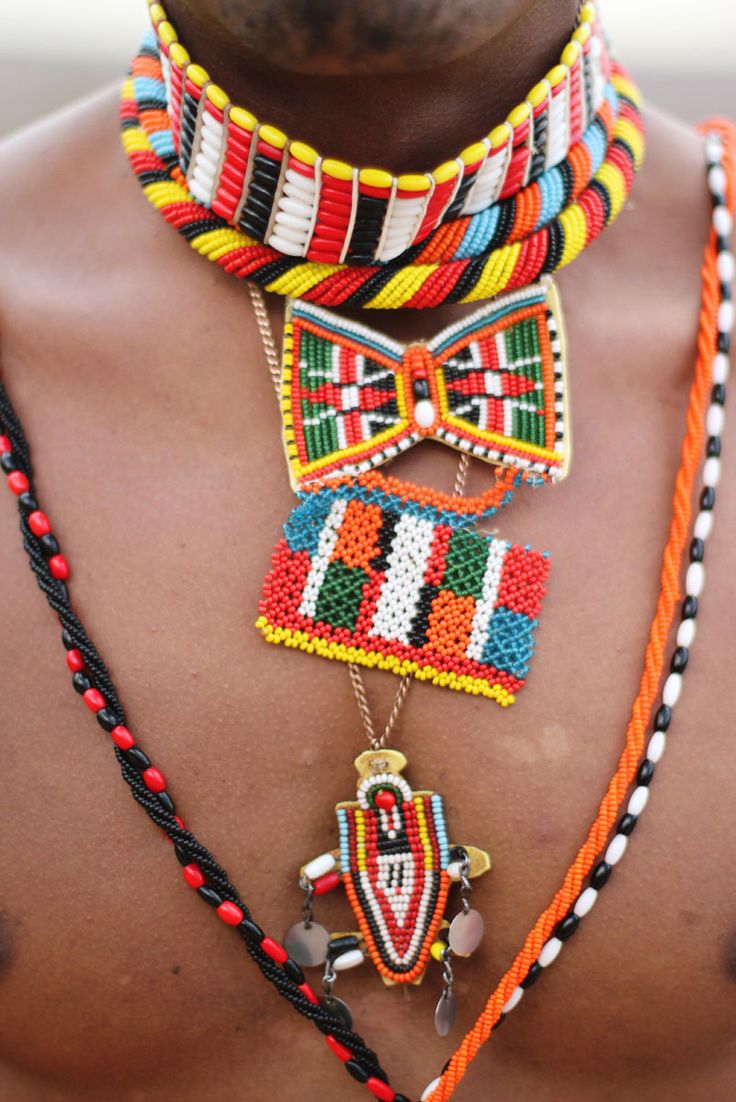
Within the vibrant cultural landscape of Kenya, few artifacts capture the eye and the imagination quite than the handcrafted Maasai necklace. These intricate pieces of jewelry are far more than mere adornments; they are potent symbols of identity, history, and tradition. Worn by the Maasai people of East Africa for centuries, each bead color and pattern tells a story, communicating social status, age, marital status, and the wealth of the community. To wear a Maasai necklace is to wear a narrative passed down through generations, a tangible connection to a proud and ancient heritage.
The Language of Color: Understanding Maasai Symbolism
The true beauty of a Maasai necklace lies in its sophisticated color language, a coded system that has guided the Maasai for decades. Artisans meticulously select specific hues to convey precise messages, transforming a simple piece of jewelry into a complex form of non-verbal communication. This deliberate choice transforms the necklace from a decorative item into a powerful medium of expression. Every element is a deliberate statement, reflecting the wearer’s life journey and the dynamics of their community.
Decoding the Palette
- Red: The most dominant color, symbolizing blood, bravery, and unity. It represents the vital energy of life and the protection of the community.
- Blue: Evokes the sky and the life-giving source of water, representing energy, sky, and the vital resources necessary for cattle, which are central to Maasai life.
- Green: Signifies the land, vegetation, and the well-being of the community. It is the color of growth, prosperity, and the earth that sustains them.
- White: Represents purity, peace, and milk, the nourishment that sustains life.
- Yellow: Symbolizes the sun, warmth, and happiness, often associated with the fertility of the land.
Artisanal Craft: The Making of a Masterpiece
The creation of an authentic Maasai necklace is a labor-intensive process that showcases the artisan's skill and patience. Unlike industrially produced jewelry, these pieces are born from natural materials sourced directly from the environment. The process begins with the careful collection and sorting of glass beads, which are then woven onto a leather or beaded thread to form elaborate patterns. The precision required is immense, as the alignment and tension must be perfect to ensure the necklace is both beautiful and durable.


Techniques Passed Through Generations
Maasai beading is typically a female craft, learned from mothers and grandmothers. Young girls observe and assist, gradually mastering the complex stitches and patterns that define their tribe's aesthetic. There is no written blueprint; the knowledge is transmitted orally and visually, ensuring that the cultural DNA of the design is preserved. This intergenerational transfer of skill is vital for keeping the tradition alive in a rapidly modernizing world.
More Than Decoration: Social and Cultural Significance
In Maasai society, necklaces play a crucial role in significant life events. They are presented during rites of passage, such as the transition from childhood to adulthood, and are integral to wedding ceremonies. A groom's family often presents an elaborate beaded collar to the bride, the quantity and quality of the beads signifying the groom's respect and the family's wealth. These necklaces are not just worn; they are bestowed, carrying with them the weight of social obligation and communal respect.


Economic Impact and Modern Challenges
The global demand for authentic Maasai jewelry has provided a vital economic avenue for Maasai women and communities. By selling their handcrafted necklaces in local markets and through international fair-trade channels, they gain financial independence and are able to support their families. However, this popularity also brings challenges, including mass-produced imitations that flood the market, threatening the livelihoods of genuine artisans and diluting the cultural integrity of the craft.
Preserving Authenticity: A Guide for the Conscious Consumer
For those looking to acquire a genuine Maasai necklace, understanding the difference between authentic craftsmanship and commercial imitation is essential. Authentic pieces are characterized by their unique imperfections, the quality of the glass beads, and the tightness of the weaving. Supporting direct-trade initiatives or reputable ethical cooperatives ensures that the full value of the purchase returns to the Maasai artisans, empowering them to continue their cultural practice.
What to Look For
| Sign of Authenticity | Indicator of Imitation |
| Slight variations in bead size and color | Perfectly uniform beads |
| Secure, tight weaving with no fraying | Loose threads or visible glue |
| Natural leather or sustainable beading thread | Plastic cords or shiny, synthetic materials |
| Documentation or story from the artisan | Generic, mass-produced packaging |




Related Articles

Mexican Indian Jewelry: Authentic Artisan Pieces & Bohemian Necklaces
Mexican Indian jewelry represents a captivating fusion of pre-Columbian heritage and colonial influence, resulting in pieces that are deeply symbolic and...

Handmade Puerto Rican Cuatro: Authentic Crafted Strings
Within the vibrant tapestry of Latin American music, few instruments carry the cultural weight and artisanal charm of the handmade Puerto Rican cuatro. This...

Unleash the Beat: Authentic Maasai Dance Video Celebration
The Maasai dance video captures a profound cultural expression that resonates far beyond the savannahs of East Africa. This specific performance, often...

Papel Parchment Costa Rica: Authentic Handmade Paper Craftsmanship
For businesses and individuals seeking premium paper products, understanding the papel parchment costa rica market is essential. Costa Rica has established...

Coconut Rice Kenya: Authentic Tropical Recipe & Cooking Tips
Coconut rice Kenya represents a beloved culinary staple that transforms basic steamed rice into a fragrant, creamy side dish enjoyed across the nation. This...

Charming Spanish Farmhouse Plans: Authentic Designs for Modern Living
Spanish farmhouse plans capture the rustic charm of rural living, blending time-honored Mediterranean design with modern functionality. Often characterized by...