Blossoming Meiosis: Flower Coloring Pages for Chromosome Fun
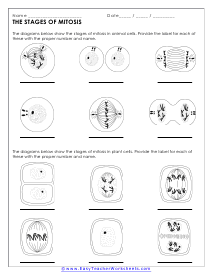
Meiosis color worksheet flower coloring pages present a unique intersection of biology education and artistic expression, offering a creative gateway into the complex world of cellular division. These specialized resources transform the abstract process of gamete formation into a tangible, visually engaging activity, perfect for students and enthusiasts alike. By blending science with art, they provide a memorable method to understand the intricate stages of meiosis, from prophase I to cytokinesis, using the familiar and vibrant palette of floral imagery.
Bridging Science and Art Through Botanical Imagery
The choice of flowers as a subject for meiosis coloring pages is far from arbitrary. Flowers are the very organs of sexual reproduction in angiosperms, making them the perfect biological model for illustrating the process that creates genetic diversity. Each petal, stamen, and pistil can be strategically colored to represent different chromosomes, spindle fibers, or phases, turning a static diagram into a dynamic learning tool. This approach leverages visual learning, helping individuals to spatially map the complex movements of DNA and cellular structures onto a familiar and aesthetically pleasing form.
Educational Advantages of Chromatin Coloring
For educators and self-learners, these worksheets offer significant pedagogical benefits. The act of coloring requires focus and attention to detail, which reinforces the sequential nature of meiosis. Users must distinguish between homologous chromosomes, sister chromatids, and the resulting haploid cells, which fosters a deeper cognitive engagement than passive reading. The process encourages users to ask questions about chromosome behavior, crossing over, and independent alignment, solidifying theoretical knowledge through practical application.


- Enhances retention of complex terminology through visual association.
- Develops fine motor skills while reinforcing biological concepts.
- Provides a calming, meditative activity that reduces science anxiety.
- Offers a screen-free alternative for digital-age learners.
Design Elements and Botanical Accuracy
High-quality meiosis color worksheet flower pages are crafted with a balance of scientific accuracy and artistic flair. You will often find key stages of meiosis—such as synapsis, crossing over, metaphase I alignment, and anaphase separation—depicted within the structure of a single bloom or across a series of floral vignettes. Botanical details, like the arrangement of ovules within the ovary or the structure of pollen grains, are meticulously rendered to ensure that the coloring experience doubles as a lesson in plant morphology.
Utilizing Color Theory for Cellular Components
Strategic color-coding is essential for maximizing the educational value of these worksheets. Users might assign specific colors to maternal and paternal chromosomes, use gradients to represent DNA condensation, or differentiate between the various phases of meiosis with a spectrum. This not only creates a visually stunning final product but also serves as a mnemonic device, allowing learners to recall the sequence of events by associating them with specific hues and shades found in the floral design.


Application in Diverse Learning Environments
These versatile resources are suitable for a wide range of settings, from traditional biology classrooms to homeschooling co-ops and community science workshops. They are particularly effective in inclusive learning environments, where they cater to visual, kinesthetic, and auditory learners simultaneously. A teacher can use a projected diagram to guide a group discussion while students color their own worksheets, creating a collaborative and interactive atmosphere around the subject of genetics.
Accessing and Creating Custom Materials
Finding high-quality meiosis color worksheet flower coloring pages is easier than ever, thanks to the wealth of resources available online through educational platforms, teacher marketplaces, and science forums. Many are available as free printable PDFs, while others offer premium, downloadable kits with accompanying answer keys and instructor guides. For the more adventurous educator, creating custom pages is a straightforward process: begin with a simple line drawing of a flower, label the chromosomes, and map the stages of meiosis onto the petals and stems to tailor the content to your specific curriculum needs.


Related Articles

Color Animals Worksheet: Free Printable Animal Coloring Pages for Kids
Color animals worksheets represent a foundational tool in early childhood education, merging the joy of artistic expression with essential cognitive...

Max & Ruby Flower Coloring Pages: Free Printables for Kids
Max and Ruby color pages flower designs offer a delightful intersection of childhood nostalgia and artistic expression. These printable sheets feature the...

Color by Letter: Fill-in Alphabet Coloring Pages for Kids
Letter coloring pages fill in the alphabet worksheet offers a dynamic way to build early literacy skills. This educational format combines visual creativity...

Blossoming Fun: Lily Flower Coloring Pages for Creative Kids
For parents and educators seeking engaging, screen-free activities for children, lily flower coloring pages super coloring pages represent an excellent...

Blossoming Beauty: Free Flower Garden Coloring Pages for Kids
Coloring pages of flower gardens capture the serene beauty of nature, offering a tranquil escape into a world of petals and greenery. These detailed...

Blossoming Fun: Free Flower Coloring Pages for Kids' Creative Coloring Book
The simple act of grabbing a crayon and bringing color to a blank page holds a timeless appeal, and when that page is filled with the graceful curves of a...