Simple Machines for Kids: The Screw and How It Works
When children first encounter the world of physics, the journey often begins with the simplest of tools. The exploration of a simple machines for kids screw introduces them to the elegant concept of converting rotational motion into linear force, a principle that underpins everything from jar lids to car jacks. This fundamental mechanism, part of the classic six, offers a tangible way for young minds to understand how everyday tasks are made easier through engineering.
The Anatomy of a Screw: A Simple Machine
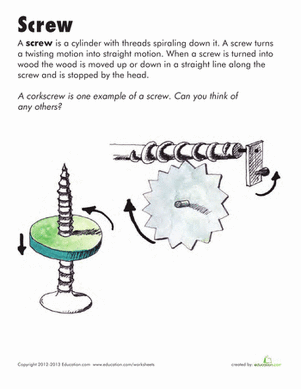
At its core, a screw is an inclined plane wrapped around a cylinder. This seemingly simple structure is a powerhouse of mechanical advantage. For kids, visualizing the thread as a continuous ramp helps demystify how such a common object can drive objects together or lift heavy loads. The sharpness of the point, known as the tip, and the width of the space between threads, called the pitch, determine how easily the screw performs its function.
How Screws Work: The Power of the Twist
Turning a screw engages the inclined plane, spreading the effort over a distance to multiply the force applied. When a child turns a screwdriver, they are not just pushing; they are leveraging geometry. This action presses the threads against the material, creating friction and a gripping force that holds materials tightly together. It is a perfect example of how input motion translates into a strong, direct action.


- Mechanical Advantage: The longer the handle of the screwdriver, the easier it is to turn, demonstrating leverage.
- Thread Density: A screw with fine threads provides more holding power than one with coarse threads.
- Material Matters: Screws move easily into soft wood but require more force to penetrate hard metal.
Hands-On Learning: Activities for Young Engineers
Education thrives on engagement, and a simple machines for kids screw is the perfect tool for interactive learning. Moving beyond theoretical diagrams, children gain a deeper understanding when they feel the resistance of a board or see a jar lid pop open. These activities transform abstract concepts into memorable, tactile experiences that spark curiosity.
Building with Wood and Wrenches
A basic woodworking kit or simple construction set allows children to assemble projects using various screw sizes. By tightening bolts to secure beams, they witness how the screw provides stability and strength that nails cannot achieve. This activity teaches patience and precision, as over-tightening can strip the threads or split the wood, offering immediate feedback on the consequences of application.


The Everyday Screw Scavenger Hunt
Turning the search for learning into a game helps kids recognize the prevalence of this simple machine. Encouraging them to find screws in their environment—from the hinge of a door to the back of a remote control—connects classroom theory to the real world. This exercise demonstrates that complex machinery is built upon these small, vital components.
| Screw Type | Common Use | Kid-Friendly Lesson |
|---|---|---|
| Wood Screw | Building birdhouses | |
| Machine Screw | Assembling toys | |
| Sheet Metal Screw | Attaching signs to walls |
The Science Behind the Thread: Friction and Force
The magic of the screw lies in the battle between friction and applied force. The threads must grip the material to prevent slippage, yet the screw must be sharp enough to cut through with minimal effort. For kids, experimenting with different angles of thread steepness reveals how engineering balances resistance and ease of movement.
Understanding that a screw is a type of inclined plane helps children apply their existing knowledge to new scenarios. Lifting a weight directly is hard, but pulling it up a ramp (or turning a screw) makes the task manageable. This transfer of knowledge reinforces the versatility of simple machines and empowers kids to tackle problems with creative solutions.



Related Articles

Easy Cartoon Coloring Pages for Kids: Fun & Simple Sheets
Easy cartoon coloring pages represent a timeless activity that bridges generations, offering a simple yet profoundly satisfying creative outlet. From the...

Easy Minion Coloring Pages: Simple & Fun for Kids
Finding a simple and joyful activity for a child or for personal relaxation can often feel challenging. The search for "coloring pages easy minion easy"...

Simple Mandala Coloring Pages for Kids: Easy Meditation PDF
Meditation coloring pages simple kids mandala coloring represent a serene intersection of art, mindfulness, and childhood development. These specific printable...

Simple Castle Coloring Page for Kids – Easy Printable Activity
Simple castle coloring pages provide an accessible gateway to creativity for artists of all ages. These line drawings capture the imagination, transforming a...

Simple Flower Letter Coloring Pages: Fun & Educational Activity For Kids
Simple flower letter coloring pages represent a harmonious fusion of childhood creativity and educational development. These printable designs combine the...

Simple Christmas Coloring Pages Free: Easy Holiday Fun for Kids
Finding a reliable source for simple Christmas coloring pages free of charge can transform a quiet afternoon into a festive family activity. These printable...