The Ultimate Guide to Student Writing Folders: Organize, Improve, Succeed
For the modern student, organization is not just a helpful habit; it is the scaffolding that supports academic success. A student writing folder functions as the central command center for this structure, acting as a dedicated sanctuary for ideas, drafts, and finalized work. Far more than a simple receptacle for loose papers, this essential tool cultivates discipline and provides a tangible record of intellectual growth. Implementing a consistent system for managing written work reduces stress and empowers learners to approach assignments with clarity and confidence.
The Core Function: Taming the Paperwork
The primary role of a student writing folder is to conquer chaos. Educational environments often generate a overwhelming tide of handouts, scribbled notes, and multi-draft assignments. Without a designated system, crucial ideas and feedback can easily vanish into the abyss of a backpack. A dedicated folder provides a physical—or increasingly, digital—repository where students can file prompts, research, outlines, and revisions in one secure location. This ensures that nothing is lost and that every piece of work is easily retrievable when needed most.
Physical vs. Digital Organization
The debate between physical and digital storage continues to evolve in the classroom. A traditional physical folder offers tactile satisfaction and serves as a reliable backup when technology fails. It allows students to quickly flip through pages, seeing the evolution of their work in a way that a screen cannot always replicate. Conversely, digital folders provide unparalleled accessibility and searchability. Cloud-based solutions like Google Drive or OneDrive ensure that work is preserved across devices and protects against the dreaded "forgotten homework" scenario. Many educators now encourage a hybrid approach, utilizing physical drafts for brainstorming and digital files for final submissions.


Structuring for Success: What to Include
To maximize the utility of a writing folder, students must adopt a methodical approach to its contents. Randomly tossing papers into a binder is ineffective. Instead, the folder should function as a dynamic portfolio that tracks progress from conception to completion. Establishing clear sections ensures that students can navigate their materials efficiently, saving valuable time during study sessions or revision periods.
Recommended Section Breakdown
Creating distinct segments within the folder helps categorize information logically. While the exact structure can be adapted to individual needs, the following sections are highly effective:
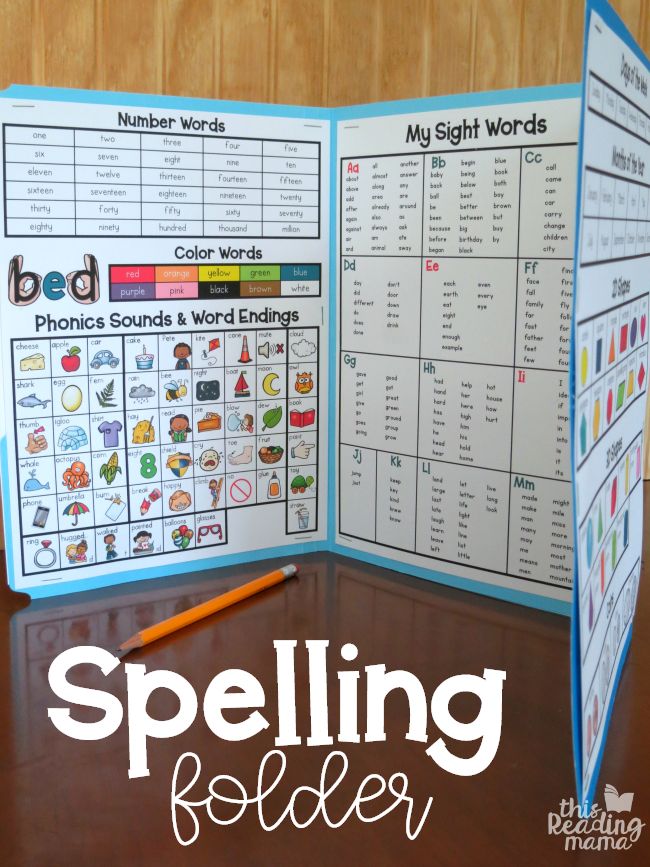


- Active Assignments: Current prompts, requirements sheets, and exemplars provided by the instructor.
- Research & Notes: Organized collections of source cards, annotated bibliography entries, and relevant data.
- Drafts: Multiple versions of the writing, clearly labeled (e.g., "Outline," "Draft 1," "Final").
- Feedback & Revisions: Teacher or peer comments with a dedicated section for implementing suggested changes.
- Reference Materials: Style guides, vocabulary lists, or grammar rules for quick consultation.
The Metacognitive Mirror: Tracking Progress
Beyond mere storage, a student writing folder serves as a mirror reflecting the learning journey. Reviewing old drafts allows students to recognize patterns in their mistakes and celebrate improvements in their writing style. This practice builds metacognition—the ability to think about one's own thinking. By analyzing why a specific sentence was restructured or how a thesis statement evolved, students gain a deeper understanding of their own critical thinking processes. This self-awareness is the key to becoming an independent and resilient learner.
Establishing a Routine
The effectiveness of a student writing folder is entirely dependent on consistent maintenance. Allocating five minutes at the end of each class or homework session to tidy up the folder prevents backlog and ensures that materials are current. During this time, students should file loose handouts, update the table of contents if applicable, and purge unnecessary scratch paper. Treating folder organization as a non-negotiable habit transforms it from a chore into a seamless part of the academic workflow.
Long-Term Academic Investment
Viewing a writing folder as a long-term investment rather than a temporary container changes the student's relationship with their work. The folder becomes a curated archive of intellectual effort, showcasing the development of critical analysis and composition skills. This collection is invaluable when preparing for portfolios, college applications, or scholarship essays. It provides concrete evidence of growth, resilience, and mastery—proof of the hard work that extends far beyond a single letter grade.


Related Articles

The Ultimate Guide to Student Labels in Education: Organize, Personalize, Succeed
In the complex ecosystem of a modern classroom, students are often categorized through the use of student labels. These shorthand descriptors—such as gifted...

Young Living Essential Oil Inventory Checklist: The Ultimate SEO Guide to Organize Your Collection
For the dedicated practitioner of aromatherapy, maintaining a Young Living essential oil inventory checklist is not merely an organizational task; it is a...

The Ultimate Guide to Writing the Perfect Thank You Note for Birthday Gifts
Receiving a birthday gift is a pleasant experience, but the moment truly completes when you send a thoughtful thank you note. Taking the time to write a few...

The Ultimate Guide to Drawing Exercises: Improve Your Art Skills
Every movement your body performs originates from a thought, a signal deep within the brain that travels down the spinal cord and into the network of nerves...

The Ultimate Guide to VHS Media Storage: Organize & Preserve Your Memories
For decades, the VHS format served as the primary vessel for capturing and reliving personal memories. From family vacations to holiday gatherings, these tapes...

Master Writing Letters A to Z: The Ultimate Step-by-Step Guide
Writing letters A to Z is the foundational step in mastering written communication, a skill that transcends digital convenience and remains essential for...