The Ultimate Vital Verbs List for Powerful Writing
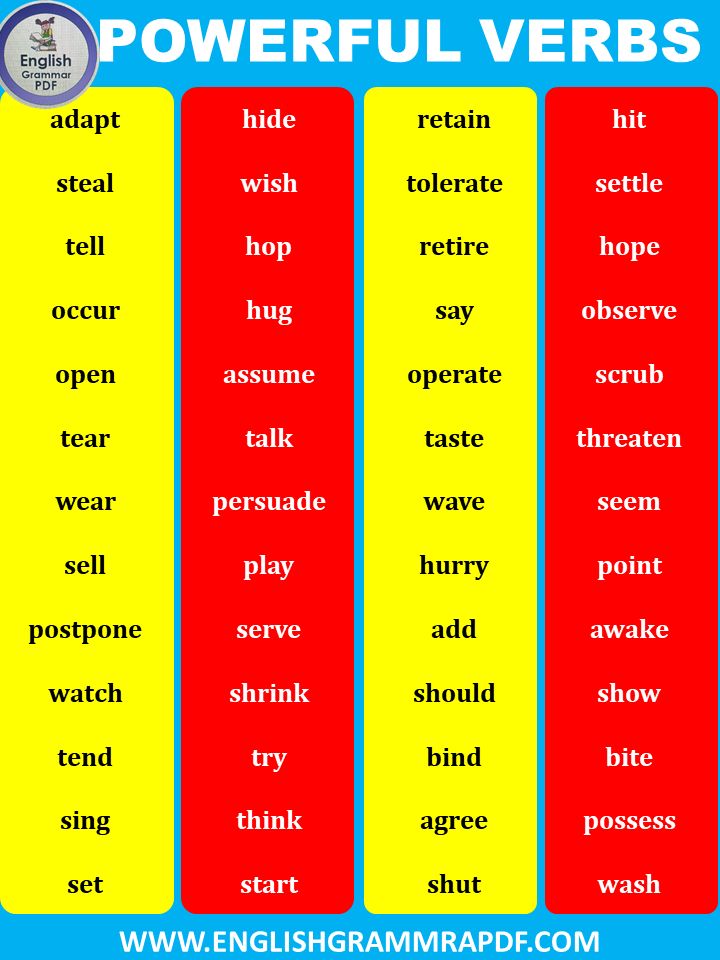
Verbs are the engine of language, the invisible forces that drive every sentence and propel ideas forward. A vital verbs list is not merely a collection of words; it is a strategic toolkit for anyone who wants to communicate with precision, power, and clarity. Whether you are a student aiming for top marks, a professional crafting a critical email, or a writer searching for the perfect image, mastering these action words transforms vague statements into compelling narratives.
Why Verbs Are the Backbone of Effective Communication
The strength of a sentence rarely comes from its nouns or adjectives, but from the verb that holds the structure together. These words express action, occurrence, or a state of being, turning static subjects into dynamic events. A vital verbs list helps you move beyond basic language, allowing you to articulate complex thoughts with nuance. Instead of relying on weak, generic terms, you learn to identify the specific energy behind every motion, which is essential for impactful writing and confident speaking.
Building Your Foundational Vocabulary
To improve your verbal agility, you must first recognize the standard categories of action. A vital verbs list is typically organized by function, making it easier to identify the right tool for the job. Common groups include transitive verbs, which require a direct object to complete their meaning, and intransitive verbs, which stand alone. Understanding this distinction is the first step toward grammatical accuracy and stylistic flexibility.


Action Verbs and Linking Verbs
Among the most important distinctions in any verbs list is the divide between action and linking verbs. Action verbs, such as *run*, *build*, or *analyze*, depict physical or mental activity. Linking verbs, such as *is*, *seem*, or *become*, connect the subject to a description of its state. A truly vital verbs list teaches you to spot these differences, enabling you to construct sentences that are either lively and active or calm and descriptive, depending on your intent.
| Verb Type | Function | Examples |
|---|---|---|
| Action | Expresses physical or mental activity | Jump, Write, Calculate, Drive |
| Linking | Connects subject to a descriptor | Is, Appear, Remain, Feel |
| Transitive | Requires a direct object | Eat pizza, Read books |
| Intransitive | Does not require a direct object | Sleep soundly, Arrive early |
The Power of Strong Verbs in Writing
One of the most immediate benefits of consulting a verbs list is the elimination of weak language. Phrases like "make progress" or "give a presentation" are vague and forgettable. By digging into your vocabulary for a stronger alternative—such as "advance," "deliver," or "unveil"—you inject specificity and energy into your text. This practice is the hallmark of professional editing and is crucial for maintaining a reader's attention in a world saturated with information.


Enhancing Brevity and Impact
Using the right verb allows you to convey complex ideas in a single, efficient word. Instead of constructing a lengthy explanation, a vital verb can encapsulate an entire scenario. For instance, the verb *consummate* means to complete a deal or marriage, packing a significant concept into a compact form. Learning these precise terms allows you to write with brevity, reducing fluff and increasing the intellectual weight of your communication.
Mastering Tense and Voice
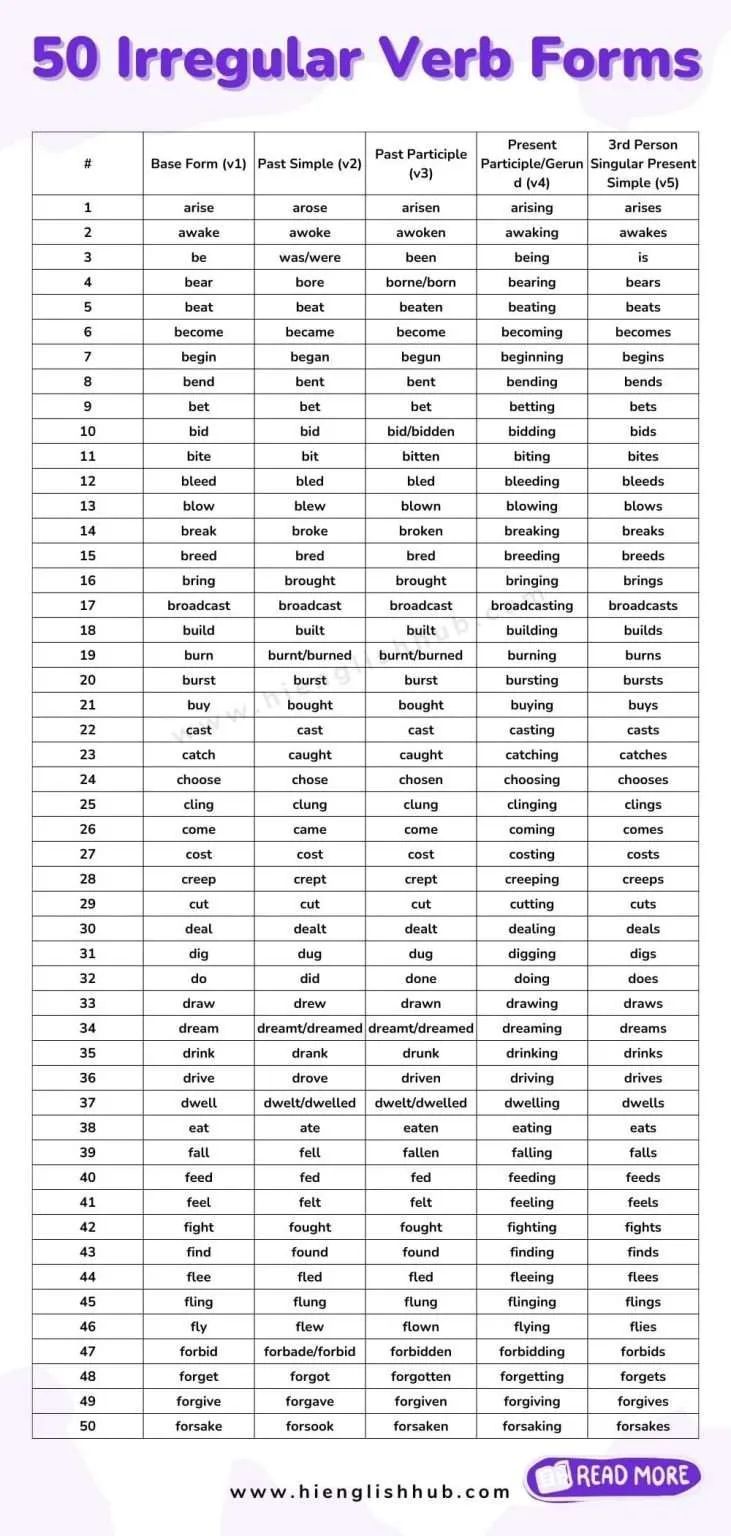
Verbs are the primary tools for navigating time and perspective in language. A comprehensive verbs list includes variations that allow you to shift between past, present, and future effortlessly. Furthermore, understanding active versus passive voice—where the subject performs the action versus receiving it—gives you control over the rhythm of your sentences. Choosing active voice generally creates vigor and clarity, while passive voice can be useful for emphasizing the object of an action or creating a formal tone.
Practical Application and Continuous Improvement
Building a command of verbs is an ongoing process of observation and practice. The next time you read a compelling article or listen to a persuasive speaker, pay attention to the verbs they use. Note how they inject life into their sentences. Actively seek opportunities to replace weak verbs in your own drafts with more vivid alternatives from your mental list. This conscious effort not only improves your grammar but also sharpens your thinking, as the search for the perfect verb forces you to clarify your meaning.




Related Articles

Osos Polares para Colorear: Dibujos Animales Gratis Imprimir Jugar niños emprendedores aventureros aprendizaje creativo colorear página web SEO título atractivo catchy fácil ránking imágenes infantiles actividades educativas divertidas ilustraciones tiernas descargables gratis optimizado buscador keywords posicionamiento digital contenido infantil amigable usuarios diseño atractivo engagement clics alto tráfico web viral tendencia búsqueda segura niñas niños todos públicos familiar entretenido lindo mimoso tierno fofo cariñoso animal adorable zorro polar blanco hielo nieve frío invierno naturaleza salvaje hábitat ecológico conservación protección especies en peligro linda figura soft cartoon bebé soldado reino animal mundo hielo glaciares cambio climático responsabilidad ecológica cultura general conocimiento curiosidad mente joven desarrollo cognitivo habilidades motrices finas concentración paciencia enfoque detalle precisión color armonía creatividad expresión artística original personalización libre fantasía diversión alegría felicidad satisfacción logro orgullo autoestima confianza independencia crecimiento equilibrio emoción estabilidad calma serenidad paz reflexión introspección autoconocimiento autovaloración autoaprecio autoaceptación diversidad respeto tolerancia amistad comprensión cooperación trabajo en equipo liderazgo influencia positiva ejemplo inspiración motivación entusiasmo energía vital pasión entusiasmo compromiso dedicación disciplina constancia superación desafío meta objetivo propósito significado trascendencia legado futuro esperanza fe confianza seguridad estabilidad equilibrio armonía paz felicidad bienestar salud éxito triunfo victoria realización cumplimiento satisfacción logro orgullo felicidad alegría risa diversión entretenimiento ocio tiempo libre relax descanso distracción escape estrés ansiedad presión vida vida saludable balance calidad vida estilo vida vida plena felicidad completa satisfactoria significado propósito dirección ruta camino destino viaje aventura exploración descubrimiento conocimiento sabiduría experiencia aprendizaje crecimiento desarrollo evolución transformación cambio mejora progreso avance superación logro meta éxito triunfo victoria triunfo conquista habilidad talento capacidad potencialidad oportunidad posibilidad potencialidad desarrollo crecimiento expansión evolución transformación mejora progreso ascenso escalada avance superación logro éxito triunfo victoria triunfo conquista habilidad talento capacidad potencialidad oportunidad posibilidad suerte fortuna destino ser querido felicidad paz amor amistad confianza lealtad compromiso pasión dedicación trabajo duro esfuerzo perseverancia determinación resiliencia fuerza coraje valor honor dignidad orgullo confianza autoestima autoimagen autoaceptación autoamor cuidado respeto aprecio admiración aprecio valoración estima consideración atención cariño amor amistad lealtad confianza respeto honestidad sinceridad transparencia comunicación efectiva escucha activa empatía comprensión apoyo ayuda solidaridad unión cooperación colaboración trabajo en equipo sinergia alianza asociación partnership colaboración cooperación sinergia red comunidad grupo familia amigos compañeros colegas compañeros de trabajo socios sociedades aliados equipos círculos redes contactos conexiones relaciones vínculos lazos fuertes duraderos permanentes estables seguros confiables verdaderos auténticos genuinos sinceros honestos transparentes claros directos precisos exactos acertados oportunos justos equitativos balanceados armoniosos pacíficos tranquilos serenos calmados tranquilos apacibles dulces tiernos amables bondadosos cariñosos simpáticos atentos considerados respetuosos educados educados finos elegantes refinados sofisticados cultos enterpretados inteligentes sabios eruditos conocidos ilustres destacados sobresalientes prominentes famosos populares respetados admirados apreciados queridos estimados valorados apreciados agradecidos reconocidos celebrados honrados respetados admirados idolatrados seguidores fans adherentes partidarios simpatizantes defensores patrocinadores apoyadores colaboradores socios compañeros aliados compañeros camaradas amigos socios compañeros de vida compañeros de viaje compañeros de aventuras compañeros de risas compañeros de llanto compañeros de sueño compañeros de trabajo compañeros de estudio compañeros de clase compañeros de curso compañeros de taller compañeros de equipo compañeros de proyecto compañeros de misión compañeros de lucha compañeros de triunfo compañeros de victoria compañeros de meta compañeros de objetivo compañeros de propósito compañeros de significado compañeros de destino compañeros de viaje compañeros de aventura compañeros de exploración compañeros de descubrimiento compañeros de conocimiento compañeros de sabiduría compañeros de experiencia compañeros de aprendizaje compañeros de crecimiento compañeros de desarrollo compañeros de transformación compañeros de mejora compañeros de progreso compañeros de avance compañeros de superación compañeros de logro compañeros de éxito compañeros de triunfo compañeros de victoria compañeros de conquista compañeros de habilidad compañeros de talento compañeros de capacidad compañeros de potencialidad compañeros de oportunidad compañeros de posibilidad compañeros de suerte compañeros de fortuna compañeros de destino compañeros de ser querido compañeros de felicidad compañeros de paz compañeros de amor compañeros de amistad compañeros de confianza compañeros de lealtad compañeros de compromiso compañeros de pasión compañeros de dedicación compañeros de trabajo duro compañeros de esfuerzo compañeros de perseverancia compañeros de determinación compañeros de resiliencia compañeros de fuerza compañeros de coraje compañeros de valor compañeros de honor compañeros de dignidad compañeros de orgullo compañeros de confianza compañeros de autoestima compañeros de autoimagen compañeros de autoaceptación compañeros de autoamor compañeros de cuidado compañeros de respeto compañeros de aprecio compañeros de admiración compañeros de aprecio compañeros de valoración compañeros de estima compañeros de consideración compañeros de atención compañeros de cariño compañeros de amor compañeros de amistad compañeros de lealtad compañeros de confianza compañeros de respeto compañeros de honestidad compañeros de sinceridad compañeros de transparencia compañeros de comunicación efectiva compañeros de escucha activa compañeros de empatía compañeros de comprensión compañeros de apoyo compañeros de ayuda compañeros de solidaridad compañeros de unión compañeros de cooperación compañeros de colaboración compañeros de trabajo en equipo sinergia compañeros de alianza compañeros de asociación compañeros de partnership compañeros de colaboración compañeros de cooperación compañeros de sinergia compañeros de red compañeros de comunidad compañeros de grupo compañeros de familia compañeros de amigos compañeros de colegas compañeros de trabajo socios compañeros de sociedades compañeros de aliados compañeros de equipos compañeros de círculos compañeros de redes compañeros de contactos compañeros de conexiones compañeros de relaciones compañeros de vínculos compañeros de lazos fuertes compañeros de duraderos compañeros de permanentes compañeros de estables compañeros de seguros compañeros de confiables compañeros de verdaderos compañeros de auténticos compañeros de genuinos compañeros de sinceros compañeros de honestos compañeros de transparentes compañeros de claros compañeros de directos compañeros de precisos compañeros de exactos compañeros de acertados compañeros de oportunos compañeros de justos compañeros de equitativos compañeros de balanceados compañeros de armoniosos compañeros de pacíficos compañeros de tranquilos compañeros de serenos compañeros de calmados compañeros de apacibles compañeros de dulces compañeros de tiernos compañeros de amables compañeros de bondadosos compañeros de cariñosos compañeros de simpáticos compañeros de atentos compañeros de considerados compañeros de respetuosos compañeros de educados compañeros de finos compañeros de elegantes compañeros de refinados compañeros de sofisticados compañeros de cultos compañeros de enterpretados compañeros de inteligentes compañeros de sabios compañeros de eruditos compañeros de conocidos compañeros de ilustres compañeros de destacados compañeros de sobresalientes compañeros de prominentes compañeros de famosos compañeros de populares compañeros de respetados compañeros de admirados compañeros de apreciados compañeros de queridos compañeros de estimados compañeros de valorados compañeros de agradecidos compañeros de reconocidos compañeros de celebrados compañeros de honrados compañeros de respetados compañeros de admirados compañeros de idolatrados compañeros de seguidores fans compañeros de adherentes compañeros de partidarios compañeros de simpatizantes compañeros de defensores compañeros de patrocinadores compañeros de apoyadores compañeros de colaboradores socios sociedades sociedades compañías compañías marcas empresas negocios organizaciones instituciones fundaciones corporaciones compañías limitadas sociedad anónima conglomerados holdings joint ventures startups empresas familiares negocios familiares empresas locales negocios regionales empresas nacionales empresas multinacionales corporaciones globales franquicias oportunidades de negocio inversiones capital riesgo beneficios ganancias lucro pérdidas costos gastos ingresos ahorros ahorro capital activo pasivo activo pasivo flujo caja presupuesto planificación financiera contabilidad auditoría impuestos legal contrato acuerdo ley regulaciones normativas cumplimiento requisitos documentación formularios trámites permisos licencias aprobaciones autorizaciones revisiones calificaciones calificaciones calificaciones juicios dictámenes fallos sentencias leyes reglas políticas procedimientos protocolos estándares prácticas recomendaciones consejos sugerencias orientaciones instrucciones guías manuales tutoriales capacitación educación enseñanza aprendizaje formación desarrollo profesional capacitación entrenamiento práctica ejercicios simulaciones casos prácticos ejemplos modelos referencias recursos herramientas tecnología software aplicaciones programas sistemas plataformas soluciones servicios asistencia soporte ayuda asesoría consultoría asesoramiento orientación guía dirección consejo recomendación sugerencia propuesta oferta demanda mercado consumidor comprador vendedor cliente usuario proveedor distribuidor mayorista minorista comerciante emprendedor empresario propietario gerente director ejecutivo presidente vicepresidente jefe supervisor coordinador asistente secretario administrativo personal equipo staff trabajadores empleados contratistas freelancers consultores expertos especialistas profesionales técnicos científicos académicos investigadores docentes estudiantes alumnos profesores maestros educadores instructores capacitadores formadores mentores coaches consejeros terapeutas doctores médicos enfermeras farmacéuticos ingenieros arquitectos diseñadores artistas músicos escritores periodistas fotógrafos videógrafos productores directores actores actrices modelos presentadores locutores animadores traductores intérpretes consultores abogados notarios contadores arquitectos ingenieros médicos dentistas farmacéuticos psicólogos terapeutas fisioterapeutas masajistas acupunturistas herbolarios espirituales místicos tarot lectura psicanálisis coaching vida desarrollo personal crecimiento espiritual bienestar salud medicina alternativa terapia holística curación sanación equilibrio armonía balance energía espíritu mente cuerpo alma consciencia espiritualidad filosófica religiosa creencias fe confianza esperanza fe confianza fe fe fe confianza fe fe confianza fe fe confianza fe confianza fe fe confianza fe confianza fe confianza fe fe confianza fe confianza fe confianza fe confianza fe confianza fe confianza fe confianza fe confianza fe confianza fe confianza fe confianza fe confianza fe confianza fe confianza fe confianza fe confianza fe confianza fe confianza fe confianza fe confianza fe confianza fe confianza fe confianza fe confianza fe confianza fe confianza fe confianza fe confianza fe confianza fe confianza fe confianza fe confianza fe confianza fe confianza fe confianza fe confianza fe confianza fe confianza fe confianza fe confianza fe confianza fe confianza fe confianza fe confianza fe confianza fe confianza fe confianza fe confianza fe confianza fe confianza fe confianza fe confianza fe confianza fe confianza fe confianza fe confianza fe confianza fe confianza fe confianza fe confianza fe confianza fe confianza fe confianza fe confianza fe confianza fe confianza fe confianza fe confianza fe confianza fe confianza fe confianza fe confianza fe confianza fe confianza fe confianza fe confianza fe confianza fe confianza fe confianza fe confianza fe confianza fe confianza fe confianza fe confianza fe confianza fe confianza fe confianza fe confianza fe confianza fe confianza fe confianza fe confianza fe confianza fe confianza fe confianza fe confianza fe confianza fe confianza fe confianza fe confianza fe confianza fe confianza fe confianza fe confianza fe confianza fe confianza fe confianza fe confianza fe confianza fe confianza fe confianza fe confianza fe confianza fe confianza fe confianza fe confianza fe confianza fe confianza fe confianza fe confianza fe confianza fe confianza fe confianza fe confianza fe confianza fe confianza fe confianza fe confianza fe confianza fe confianza fe confianza fe confianza fe confianza fe confianza fe confianza fe confianza fe confianza fe confianza fe confianza fe confianza fe confianza fe confianza fe confianza fe confianza fe confianza fe confianza fe confianza fe confianza fe confianza fe confianza fe confianza fe confianza fe confianza fe confianza fe confianza fe confianza fe confianza fe confianza fe confianza fe confianza fe confianza fe confianza fe confianza fe confianza fe confianza fe confianza fe confianza fe confianza fe confianza fe confianza fe confianza fe confianza fe confianza fe confianza fe confianza fe confianza fe confianza fe confianza fe confianza fe confianza fe confianza fe confianza fe confianza fe confianza fe confianza fe confianza fe confianza fe confianza fe confianza fe confianza fe confianza fe confianza fe confianza fe confianza fe confianza fe confianza fe confianza fe confianza fe confianza fe confianza fe confianza fe confianza fe confianza fe confianza fe confianza fe confianza fe confianza fe confianza fe confianza fe confianza fe confianza fe confianza fe confianza fe confianza fe confianza fe confianza fe confianza fe confianza fe confianza fe confianza fe confianza fe confianza fe confianza fe confianza fe confianza fe confianza fe confianza fe confianza fe confianza fe confianza fe confianza fe confianza fe confianza fe confianza fe confianza fe confianza fe confianza fe confianza fe confianza fe confianza fe confianza fe confianza fe confianza fe confianza fe confianza fe confianza fe confianza fe confianza fe confianza fe confianza fe confianza fe confianza fe confianza fe confianza fe confianza fe confianza fe confianza fe confianza fe confianza fe confianza fe confianza fe confianza fe confianza fe confianza fe confianza fe confianza fe confianza fe confianza fe confianza fe confianza fe confianza fe confianza fe confianza fe confianza fe confianza fe confianza fe confidence building community connectivity consumer content conversion create credibility customers design developing digital directly discoverability display diverse driving e-commerce effective email engagement essential experience exploring exposure fittest flexible framework free friendly future game generation global growth guidance having health higher human i.e. if iconic image immediate impact income including increase individual infrastructure information initial innovative insight inspiring installation instruct interactive internet investing journey keyword labour landscape latest learn leading learning less library lifestyle likely limited local long-lasting loyalty management manual marketing meaningful mixture modern monitor motivating multi-channel must name navigating necessary networking newsletter non-profit offering online operation opportunities optimizing organization original outcome overcoming packaging participation partnership particular performance platform policy position positive powerful practice preparation presence primary process producing professional product programming promotion proof provide publishing quality question quiz rapid ranking reader real recognition reference refresh registration regular relate relevant reliability reputation request require research respect responsive search security segment selection sense serve sharing showing significant similar simplicity site skills solution software source specific stability statement step strategy subscribers success sustainable system talent team technical testing time title tool trust turning ultimate understanding unique universal update valuable value vendor vertical video viewing visitors website when where which who whole why will with work world writing year young zeal zealot zone"/>
Within the vast digital landscape dedicated to children's activities, "oso polar para colorear" has emerged as a particularly beloved theme. These printable...

The Ultimate List of Irregular Verbs: Simple Past & Past Participles Cheat Sheet
Mastering the English language requires a solid grasp of its verb system, and few areas are as crucial yet challenging as understanding the list of irregular...

Master CVC Verbs: The Ultimate List for Reading Success
Verbs are the engines of language, driving action and defining the state of being within a sentence. Among the most versatile and frequently used verbs in the...

The 6 1 Writing Traits Book: Unlock Powerful Writing Skills
For educators and writers seeking to demystify the writing process, the 6 1 writing traits book serves as an indispensable guide. This framework breaks down...

The Ultimate Guide to Writing the Perfect Thank You Note for Birthday Gifts
Receiving a birthday gift is a pleasant experience, but the moment truly completes when you send a thoughtful thank you note. Taking the time to write a few...

Master the Spanish Spondee Word List: Ultimate Pronunciation Guide
For anyone delving into the technical analysis of Spanish poetry or the rhythmic structure of verse, the concept of a spanish spondee word list serves as an...