The Ultimate Induction Checklist: Your Step-by-Step Guide
An induction checklist serves as a structured roadmap, guiding a new hire through the essential steps of integrating into an organization. Far more than a simple list of tasks, it is a strategic tool designed to streamline the onboarding process, reduce administrative friction, and accelerate the timeframe for an employee to become a productive member of the team. This systematic approach ensures that critical activities, from paperwork completion to facility access, are not overlooked, creating a foundation of efficiency and professionalism from day one.
The Strategic Importance of a Structured Onboarding Process
The implementation of a robust induction checklist is a direct response to the complexities of modern workplace integration. Without a clear framework, new employees can feel overwhelmed by administrative hurdles, leading to frustration and a prolonged ramp-up period. By providing a centralized document that outlines every requirement, the checklist transforms a potentially chaotic process into a manageable journey. This structure not only benefits the employee by providing clarity but also empowers the HR and management teams by ensuring consistency and compliance across the board.
Key Components of an Effective Checklist
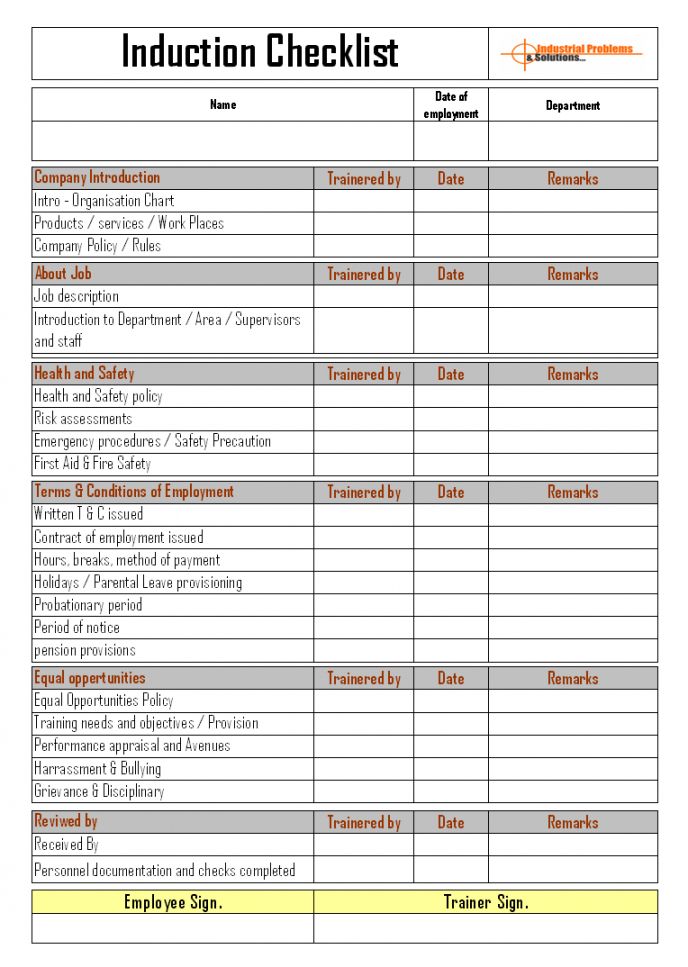
An effective induction checklist is comprehensive, addressing the multifaceted nature of joining a new company. It typically encompasses administrative formalities, such as document verification and system access, alongside cultural and social integration elements. The goal is to cover the entire employee experience, ensuring that the logistical, technological, and interpersonal aspects are all synchronized. Key components often include:


- Completion of tax and payroll forms.
- Setup of email and software system access.
- Review of employee handbooks and policies.
- Introduction to team members and key stakeholders.
- Facility tours and safety briefings.
- Clarification of role-specific expectations and objectives.
Enhancing Compliance and Risk Management
From a legal and operational standpoint, the induction checklist is an indispensable risk management tool. It ensures that every new hire completes necessary compliance training, acknowledges company policies, and understands safety protocols. This meticulous documentation provides an audit trail, proving that the organization has fulfilled its regulatory obligations. By standardizing these critical communications, companies significantly mitigate the potential for legal issues and workplace incidents, fostering a safer and more secure environment for everyone.
Facilitating Faster Time-to-Productivity
A well-crafted checklist directly impacts the bottom line by shortening the time it takes for an employee to become fully operational. By mapping out the first weeks and months, it removes ambiguity about priorities and available resources. New hires can focus on learning their specific duties rather than navigating the corporate bureaucracy. This efficient onboarding process accelerates the return on investment for recruitment and training costs, as employees are able to contribute meaningfully sooner.


The Role of Technology in Modern Checklists
Digital platforms have revolutionized the delivery and management of induction checklists. Instead of static PDFs or paper trails, organizations now utilize interactive software that allows for real-time tracking. Managers can monitor completion rates, assign tasks digitally, and receive reminders for pending items. This technological shift not only improves accuracy but also provides valuable data insights, allowing HR departments to continuously refine the onboarding experience based on actual performance metrics.
Crafting a Human-Centric Experience
While technology offers efficiency, the core of a great induction checklist remains its ability to support the human element of joining a company. The checklist should be designed with empathy, acknowledging that a new role can be daunting. It should balance procedural tasks with opportunities for connection, such as scheduled meet-ups with colleagues or informal welcome events. A checklist that feels supportive rather than restrictive helps cultivate a positive first impression and signals that the organization values its people.
Continuous Improvement and Iteration
An induction checklist is not a static document; it is a dynamic tool that should evolve with the organization. Regular feedback from new hires and managers provides critical insights into what is working and what can be improved. By analyzing this feedback, companies can refine the process, removing bottlenecks and adding new elements as the company culture and structure develop. This commitment to continuous improvement ensures that the checklist remains a relevant and effective instrument for long-term success.




Related Articles

Young Living Essential Oil Inventory Checklist: The Ultimate SEO Guide to Organize Your Collection
For the dedicated practitioner of aromatherapy, maintaining a Young Living essential oil inventory checklist is not merely an organizational task; it is a...

What is ieframe.dll? Your Ultimate Guide to Fixing DLL Errors
At its core, ieframe.dll is a crucial component of the Windows operating system, specifically belonging to the Internet Explorer (IE) ecosystem. This Dynamic...

Ultimate Guide to Your RBT Renewal Packet: Tips & Checklist
For professionals working in the field of behavior analysis, maintaining active credentials is a top priority. The RBT renewal packet is the official...

The Ultimate Guide to Organizing Your Files, Folders & Documents (SEO Checklist)
Few things are as paralyzing as staring at a chaotic desktop, buried under a mountain of unorganized files, folders, and documents. The simple act of saving a...

The Ultimate Checklist of Teacher Professional Documents: Your SEO Guide
For the dedicated educator, the classroom is just one aspect of a multifaceted professional role. Success is rarely determined by a single lesson or...

The Ultimate Guide to Pennsylvania's State Seal: History and Meaning
At the heart of Pennsylvania’s official iconography lies the state seal, a carefully composed emblem that encapsulates the history, values, and sovereignty of...