Why Wet Hair Is More Attractive: The Science Behind the Sexy
At first glance, the idea that wet hair could be perceived as attractive may seem counterintuitive. Dry, styled hair is often the ideal presented in magazines and on runways, meticulously controlled to avoid any hint of frizz or dampness. Yet, the visual appeal of damp hair persists across cultures and generations, embedded in everything from classical oil paintings to modern photography. This fascination is not arbitrary; it is rooted in a complex interplay of biology, psychology, and aesthetics. The allure of wet hair is a signal of health, a testament to vitality, and a masterclass in visual texture that the human brain is hardwired to appreciate.
The Biology of Health and Fertility
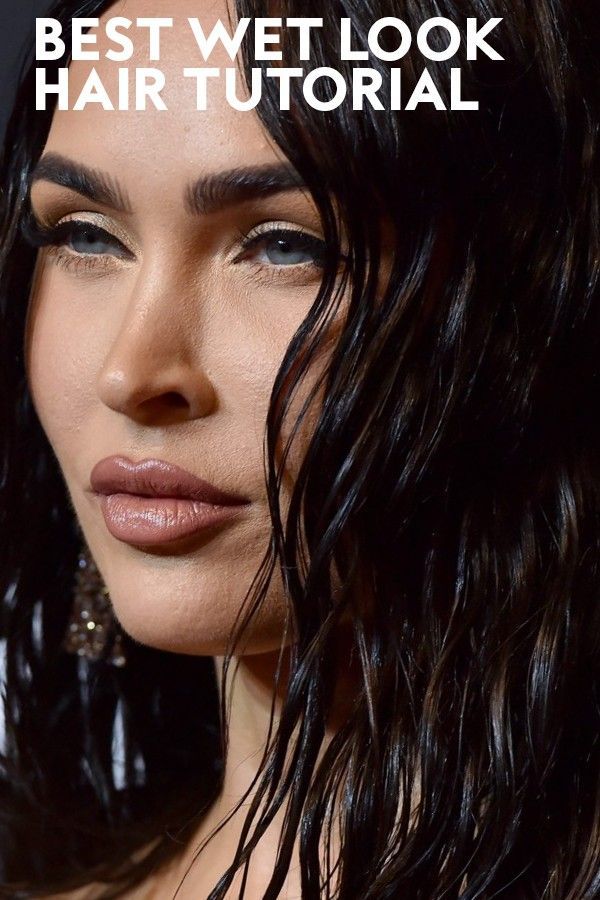
From an evolutionary standpoint, attraction is frequently a subconscious calculation of health and reproductive fitness. Shiny, wet hair acts as a powerful biological indicator that subconsciously communicates vitality. When light hits a healthy strand of hair, it reflects off the cuticle layer, creating a luminous sheen. This shine is synonymous with youth and good nutrition; it suggests an individual has sufficient hydration and essential fatty acids necessary for robust hair growth. Conversely, dull, dry, or brittle hair can be a visual cue for poor health, malnutrition, or age. Therefore, the gleam of wet hair functions as an immediate visual cue of genetic quality and physical well-being, triggering a deep-seated positive response in the observer.
The Psychology of Contrast and Definition
Water temporarily weighs hair down, creating a stark contrast between the strands and the scalp. This separation defines the shape of the head and the volume of the hair with extreme clarity. When hair is dry, individual strands can blend together, creating a flat and undefined silhouette. Wet hair, however, outlines the cranial structure precisely, turning the head into a distinct and sculptural object. This enhanced definition draws the eye, allowing the viewer to trace the flow and movement of the locks. The brain interprets this clarity as order and precision, making the overall composition more visually digestible and, consequently, more attractive.


The Aesthetics of Movement and Texture
A static head of hair is relatively easy for the brain to process and quickly becomes background noise. Wet hair introduces dynamism. Even a slight breeze or a subtle shift in head movement causes the damp strands to cling together, swing, and separate in a way that dry frizz often does not. This creates a fluid, organic movement that is hypnotic to watch. Furthermore, water fills in the microscopic ridges of the hair cuticle, smoothing the surface. This results in a uniform texture that diffuses light softly, rather than scattering it chaotically like dry, frizzy hair. The result is a tactile, almost velvety appearance that suggests softness and touchability, two key components of sensory appeal.
- Light Interaction: Wet hair has a higher refractive index, meaning it bends light more effectively, creating a glossy, light-catching finish.
- Color Depth: Water darkens the pigment slightly, making rich colors appear deeper and more saturated.
- Silhouette Integrity: The weight of the water preserves the natural fall of the hair, preventing limpness or flyaways that can occur with dry hair.
- Naturalness: Wet hair looks "un-done," representing a break from rigid grooming standards and embracing a raw, authentic state.
The Cultural and Sensory Narrative
Beyond biology, the attractiveness of wet hair is culturally reinforced through art and media. Classical sculptures and Renaissance paintings frequently depict figures with flowing, wet hair to signify divinity, purity, or tragic beauty. In cinema, the "wet look" is a staple for scenes intended to convey sensuality, vulnerability, or dramatic transformation. When a character emerges from water or rain, the audience immediately reads them as transformed or intensely present. This cultural coding trains us to associate damp hair with heightened emotion and dramatic stakes. It shifts the visual narrative from the mundane to the significant, making the subject appear more intense and compelling.


The Role of Scent and Memory
Visual appeal is only one part of the attraction; wet hair engages the olfactory sense in a unique way. Water acts as a carrier for the volatile organic compounds found in shampoo, conditioner, and, most importantly, the natural oils and pheromones of the scalp. When hair is dry, these scent molecules are often trapped or dispersed quickly. When wet, they are released in a warm, concentrated wave as the water evaporates. This creates an intimate, personal aroma that lingers in the air. For humans, scent is one of the most direct pathways to memory and emotion. The distinct "clean" or "fresh" scent of wet hair can trigger feelings of nostalgia, safety, or intimacy, forging a powerful emotional connection that dry hair struggles to replicate.
The Practical Allure of Manageability
Ironically, the very attribute that makes dry hair difficult to manage—its volume and resistance—contributes to the appeal of the wet state. When hair is saturated, the cuticles lie flat, and the strands slide against one another. This allows for effortless reshaping. Combs glide through wet hair without snagging, and products distribute evenly. For an observer, this translates to the potential for a beautiful, controlled style with minimal effort. It suggests that the person with the wet hair possesses a desirable skill: the ability to transform a chaotic natural state into something polished and intentional. This mastery over one's appearance is inherently attractive, signaling competence and self-care.




Related Articles

Unlocking the Science of Ballistics: Hands-On Firearms Lab Activity Answers
Understanding the science behind ballistics and firearms laboratory activity provides critical insight into modern forensic investigation. This field combines...

Why Color in Art Matters: The Science and Emotion Behind the Hue
Color in art is not merely decorative; it is the fundamental vocabulary through which artists construct meaning, manipulate mood, and establish a direct line...

Unlocking the Mystery of Video Zebra Stripes: The Science Behind the Patterns
Video zebra stripes refer to the distinct, alternating light and dark bands that appear across the width of a video image, often resembling the pattern seen on...

How Vision Works: See the Science Behind Your Eyes In Action
Understanding how vision works video requires a deep dive into the intricate partnership between the human eye and the brain. Light reflects off objects in the...

Braided Hair Coloring Pages for Adults: Creative & Relaxing Designs
Hair braided coloring pages for adults have emerged as a significant trend in the world of therapeutic art, offering a unique blend of cultural expression and...

New Year, New Science: Latest Discoveries and Innovations
The transition into a new year presents an ideal moment to examine the latest science new year advancements and discoveries. Often, the conclusion of December...