The Cat in the Hat Coloring Page: Free Writing & Drawing Paper for Kids
Parents and educators seeking enriching activities for children will find significant value in the intersection of literature and art. The iconic character from Dr. Seuss, the Cat in the Hat, provides a vibrant and recognizable subject that captivates young minds. A writing and drawing paper featuring this beloved figure transforms a simple sheet into a tool for creative expression, combining the discipline of handwriting with the freedom of artistic exploration.
The Educational Power of Thematic Stationery
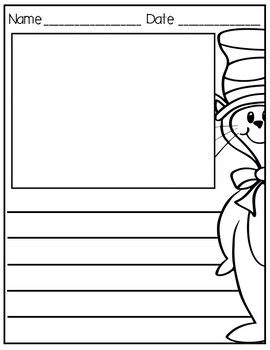
Utilizing themed materials, such as paper featuring a Cat in the Hat coloring page, effectively bridges the gap between learning and play. Children are often more motivated to practice writing skills when the subject matter aligns with their current interests. This specific design serves a dual purpose: the blank space encourages the creation of original stories about the characters, while the designated lines help develop proper pencil grip and sentence structure. The familiarity of the image reduces the intimidation associated with a blank page, allowing focus to shift to the task itself.
Integrating Visual Art with Literacy
Beyond writing, these sheets function as excellent canvases for artistic development. The outline of the Cat in the Hat provides a foundational structure for children to personalize the scene. They might choose to color the character in unconventional hues or add intricate patterns to his iconic hat. This activity enhances fine motor skills as kids practice staying within the lines, while simultaneously fostering an understanding of color theory and composition. The process of creating the image before or after writing creates a multi-sensory learning experience.


Design Elements to Look For
When selecting writing paper, the quality of the illustration is paramount. Look for clear, bold outlines that are easy for children to see and color. The spacing of the writing lines is equally critical; they should be appropriately sized for the target age group, with adequate room for descenders like "g" and "y". High-quality paper weight prevents bleed-through when using markers or watercolors, ensuring the final product looks professional and withstands repeated use.
Practical Applications in the Classroom
Teachers can leverage these resources in numerous ways to manage classroom activities effectively. They serve as excellent time-fillers for students who finish assignments early, providing a constructive outlet for remaining energy. Furthermore, they are ideal for differentiated instruction, allowing educators to quickly print materials tailored to various skill levels. A worksheet can evolve from a simple tracing exercise for beginners to a platform for complex narrative writing for advanced students, all centered around the same engaging visual.


Customization and Accessibility
The digital nature of these templates offers unmatched convenience. A simple search provides access to a vast array of designs that can be printed instantly, eliminating the need for manual drawing or purchasing specific workbooks. Parents can easily adjust the difficulty level by selecting paper with different line configurations or by encouraging freehand drawing in the margins. This accessibility ensures that creative activities remain inclusive and readily available whenever the inspiration strikes.
Extending the Activity Beyond the Page
The learning experience does not end when the pencil is put down. Families can use the completed drawings as prompts for verbal storytelling, encouraging children to narrate the scenes they have created. These finished products are also suitable for display, boosting a child's confidence and sense of accomplishment. By connecting the act of writing with a cherished cultural icon, the activity reinforces the idea that literature and art are intertwined forms of personal expression.


Related Articles
The Cat in the Hat Coloring Page: Free Writing and Drawing Paper for Kids
The timeless appeal of simple stationery items, such as writing and drawing paper, provides the perfect canvas for creativity, especially when paired with the...

Free Horses Paper Doll Coloring Pages For Kids
Horses paper doll coloring pages provide an engaging and educational activity for children and art enthusiasts, blending the timeless elegance of equine...

I Love You Dad Coloring Page: Free Printable Templates for Kids
The "i love you dad coloring page" represents a heartfelt intersection of creativity and familial affection, offering a simple yet profound way to express...

Cute Kawaii People Coloring Pages for Kids – Free Printable Sheets
Kawaii people coloring pages present a delightful intersection of Japanese pop culture and artistic expression, inviting colorists of all ages to engage with...

Free Penguin Wearing a Bow Tie Cute Coloring Page - Adorable Printable for Kids
Explore the delightful world of creativity with our free penguin wearing a bow tie coloring page, cute design. This charming illustration captures a penguin in...

Minion Madness: Free Birthday Coloring Pages for Kids
Minion birthday coloring pages offer a vibrant and engaging way to celebrate the beloved characters from the Despicable Me franchise. These printable sheets...