Zero Dog Outline: Master the Art of the Blank Slate
At its core, a zero dog outline serves as the foundational skeleton for any complex project, effectively mapping the journey from abstract concept to tangible result. Unlike a simple list of tasks, this framework demands a radical elimination of scope, focusing exclusively on the irreducible elements necessary for launch. By stripping away the non-essential features, assumptions, and nice-to-haves, teams create a crystal-clear directive that eliminates ambiguity and aligns every stakeholder. This method is particularly valuable in fast-paced environments where resources are limited and the cost of misdirection is high.
The Philosophy Behind Minimalist Planning
The philosophy of the zero dog outline is rooted in the principle of extreme prioritization. It challenges the traditional tendency to over-plan by asking a critical question: "What is the single most valuable thing we can deliver right now?" This mindset shifts the focus from comprehensive documentation to actionable validation. The goal is not to create a perfect plan, but to establish the smallest viable path toward proving a hypothesis or initiating a process. This approach reduces the risk of building something nobody wants by ensuring efforts are directed at the absolute core of the problem.
Identifying the Absolute Essential
Creating an effective zero dog outline requires a rigorous exercise in discernment. Teams must sift through extensive feature lists or project requirements and identify the single critical output that defines success. This is not about choosing the easiest task, but rather the task that unlocks the most value or learning. For a software launch, this might be the user registration flow; for a marketing campaign, it could be the primary call-to-action. This singular focus allows the team to channel all energy into a single point of impact, avoiding the dilution of resources across multiple initiatives.


Application Across Industries
The versatility of the zero dog outline makes it applicable far beyond the realm of software development. In content creation, a writer might use this framework to define the single core message that must resonate with the audience before considering structure or style. In product management, it helps validate market fit by defining the minimum feature set required for initial user feedback. In event planning, the focus might shift to the essential guest experience rather than elaborate decorations. This flexibility is what transforms it from a niche tactic into a universal strategic tool.
| Industry | Application of Zero Dog Outline | Primary Objective |
|---|---|---|
| Software Development | Define MVP feature set | Launch core functionality |
| Marketing | Identify key message or offer | Drive immediate engagement |
| Education | Outline essential learning objective | Ensure foundational understanding |
Execution and Iteration
Once the singular objective is identified, the outline transitions from a planning document to a directive for action. The team understands that any work not directly contributing to this central goal is technically out of scope. This creates a powerful feedback loop: execute the zero dog plan, measure the outcome, and then decide whether to iterate, expand, or pivot. The clarity provided by this stark simplicity makes decision-making significantly faster, as choices can be easily weighed against the core objective established at the outset.


Fostering Accountability and Clarity
Perhaps one of the most significant benefits of this framework is the transparency it instills within a team. By defining the "zero dog" or non-negotiable element, roles and responsibilities become implicitly clear. Everyone knows what is being prioritized and what is being consciously set aside for a later date. This reduces friction caused by shifting priorities and ensures that communication remains focused on the singular mission at hand. It is a tool that not only organizes work but also aligns human effort toward a common, undeniable purpose.


Related Articles

13 Colonies Blank Map Printable: Free Worksheet & Labeled Outline
For educators, historians, and geography enthusiasts, the search for a 13 colonies blank map printable resource is a common starting point for understanding...

Blank Map of China and Surrounding Countries - Free Printable Outline for Geography Study and Travel Planning
Navigating the complex geography of East Asia becomes significantly easier with a blank map of China and surrounding countries. This specific cartographic tool...

Outline Map of Indonesia – Downloadable Blank Map for Geography, Travel, and Study
An outline map of Indonesia serves as a foundational tool for understanding the archipelago’s vast and complex geography. Without the distraction of colors or...

El Salvador Blank Map – Free Downloadable Outline for Coloring & Labeling
An El Salvador blank map serves as a foundational tool for understanding the geography of this compact Central American nation. Often overshadowed by its...

Printable Face Outline Templates – Blank Faces for Crafts, Masks, and Drawing Practice
In the world of digital design and hands-on creativity, the demand for precise and versatile templates continues to grow. A printable face outline serves as a...
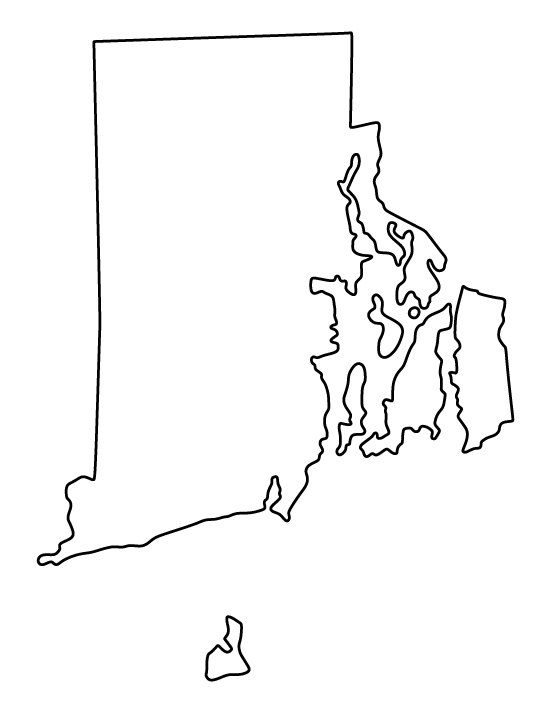
Blank Rhode Island Map: Printable Outline for Travel, Education & Geography
When searching for territorial outlines for educational projects or travel planning, a blank Rhode Island map offers a versatile starting point. This specific...